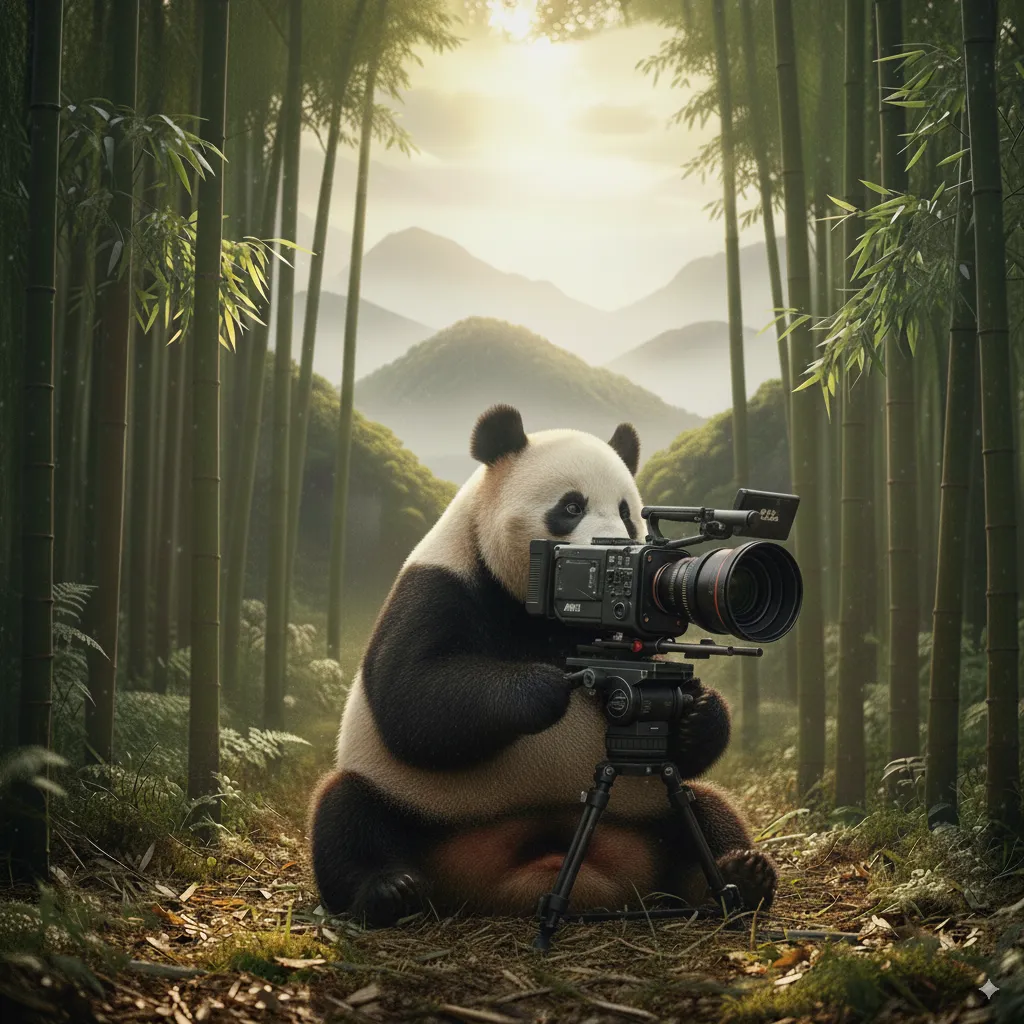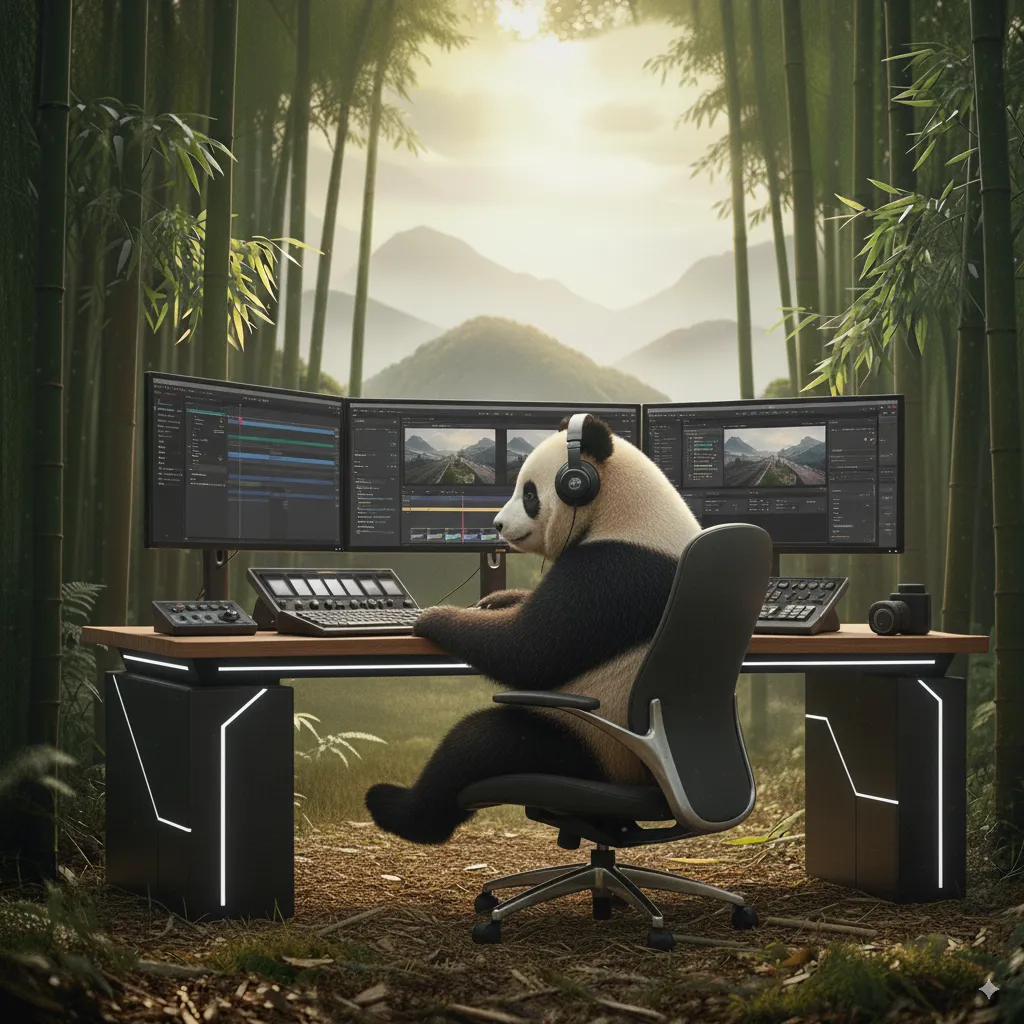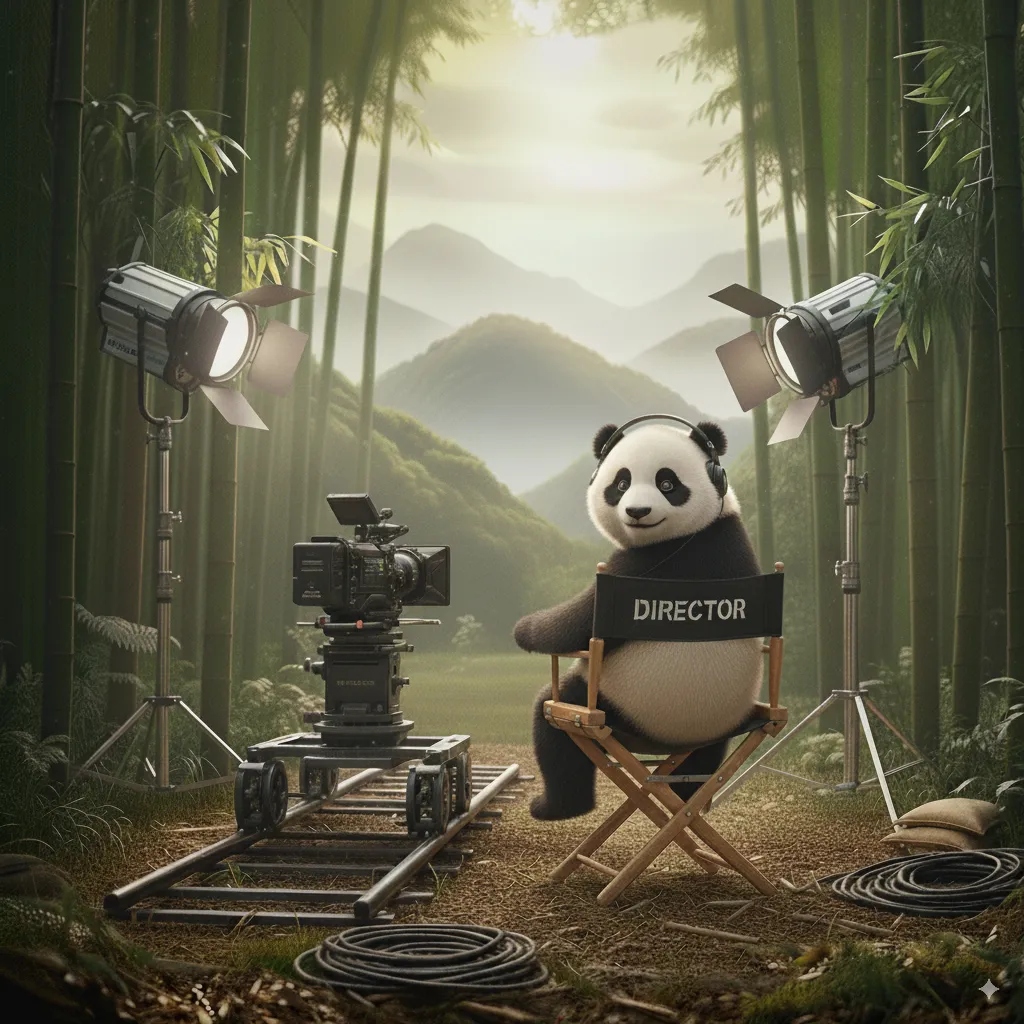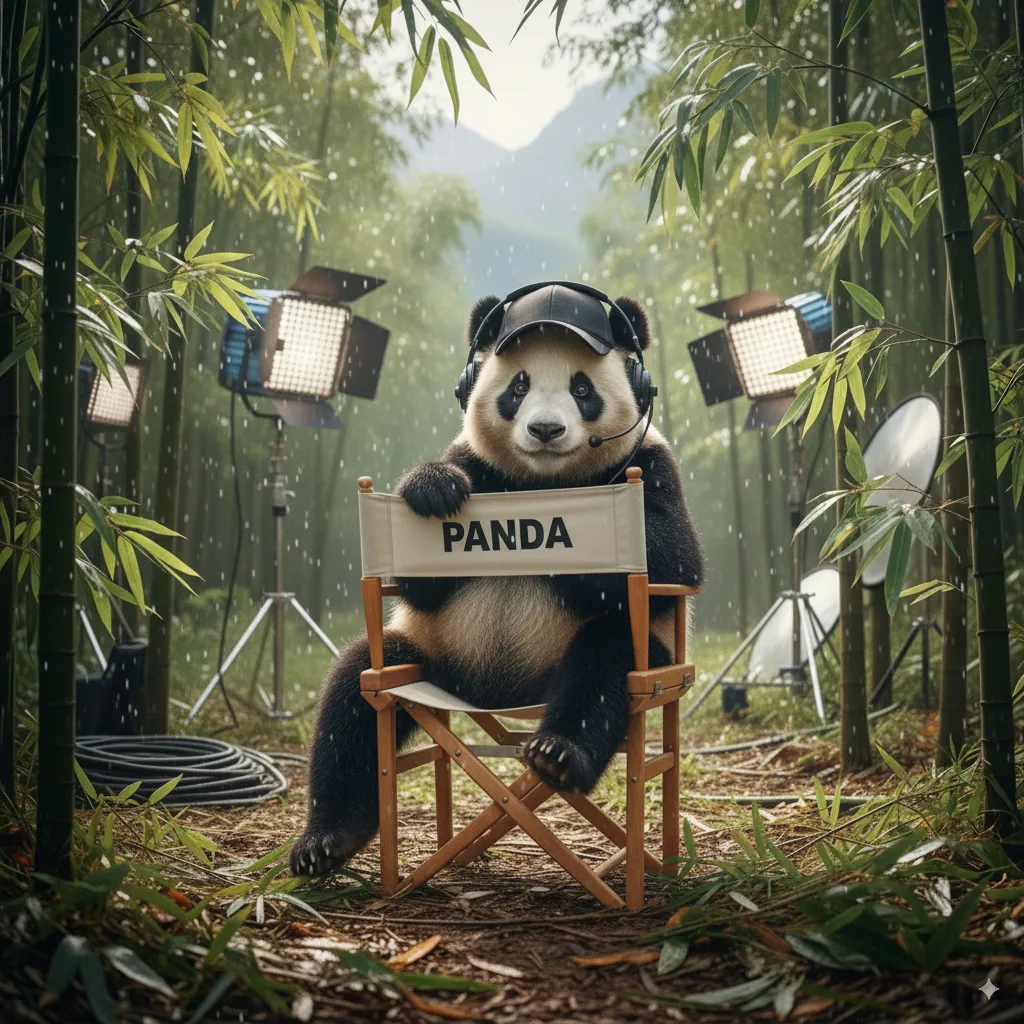
With "Nano Banana", the internal codename for the AI image editing model Gemini 2.5 Flash Image, Google has set a milestone in digital image design. This innovative tool is revolutionizing product marketing and commercial film production through its ability to precisely edit images and scenes using natural language.
Precision and consistency in product marketing
Nano Banana allows marketing specialists to optimize product photos quickly and intuitively. With simple text commands like "Place the product in front of a tropical beach" or "Change the packaging color to blue," high-quality visuals can be created that maintain brand identity. The AI ensures consistent product representation by precisely adjusting details such as shadows, lighting, and textures. According to tests, the use of such optimized visuals increases user engagement in e-commerce by up to 12%, as the images appear authentic and appealing.

Revolution in commercial film production
In the field of artificial intelligence in commercial film production , Nano Banana opens up new creative possibilities. Storyboards and concept visualizations can be created in seconds by merging multiple images into a coherent scene or seamlessly integrating objects into existing footage. The ability to consistently represent characters or products across multiple scenes makes Nano Banana ideal for campaigns that require a unified visual narrative. Directors can implement scenes like "Insert a car into a desert landscape" or "Change the main actress's outfit" directly via text prompt, without the need for complex software or time-consuming post-production.
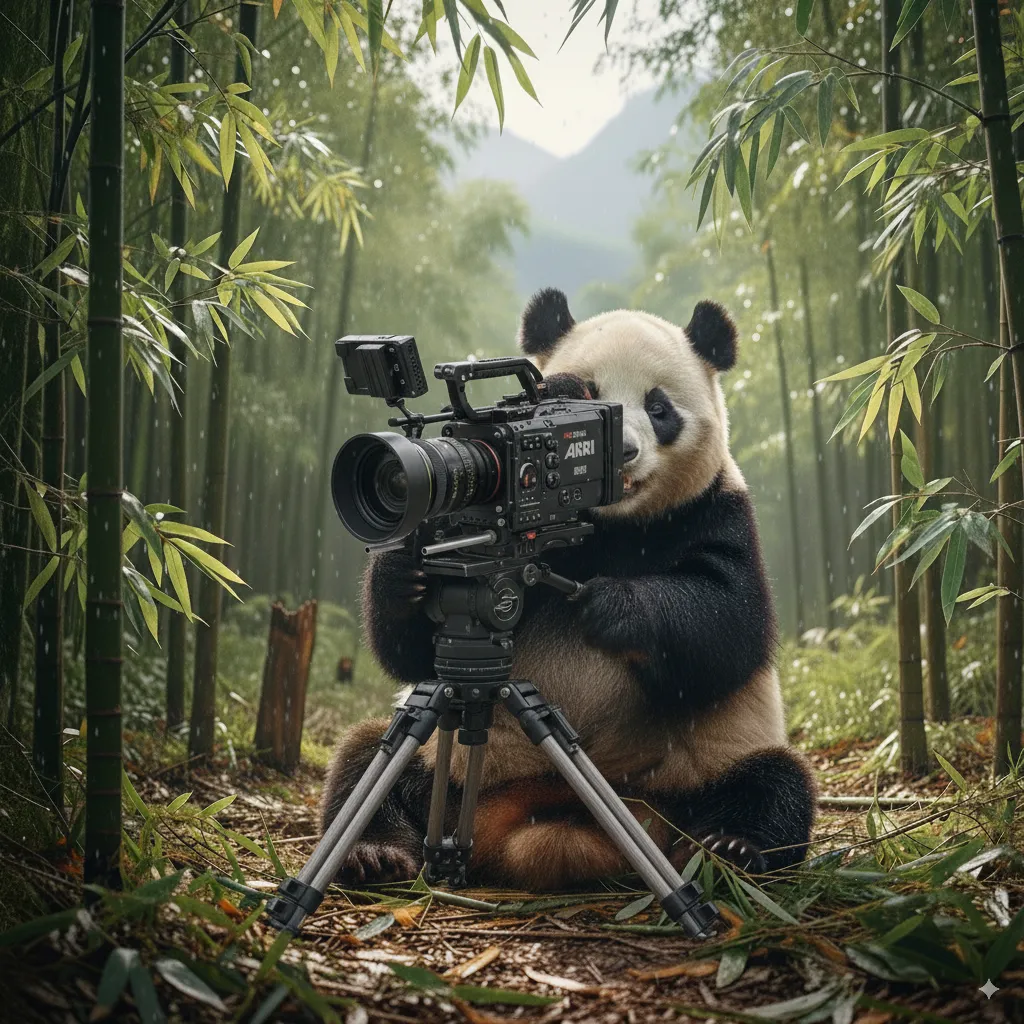
Google Nano Banana and AI tools: From images to impressive videos
Google Nano Banana, also known as Gemini 2.5 Flash Image, is revolutionizing image editing and generation through advanced AI features. In combination with tools like Runway's Act-Two and Aleph or Higgsfield exciting possibilities emerge for producing dynamic videos from edited or created images. With Act-Two, users can transfer gestures, facial expressions, and dialogue from a reference video onto static images, enabling seamless motion-capture animation. Aleph allows for video editing via text-based descriptions, such as adding camera angles or VFX effects. Higgsfield complements this with its ability to generate highly realistic video animations from images by creating AI-powered motion sequences and scene transitions, which are specifically optimized for social media content. This integration makes the workflow more efficient and accessible for creators.
Conclusion
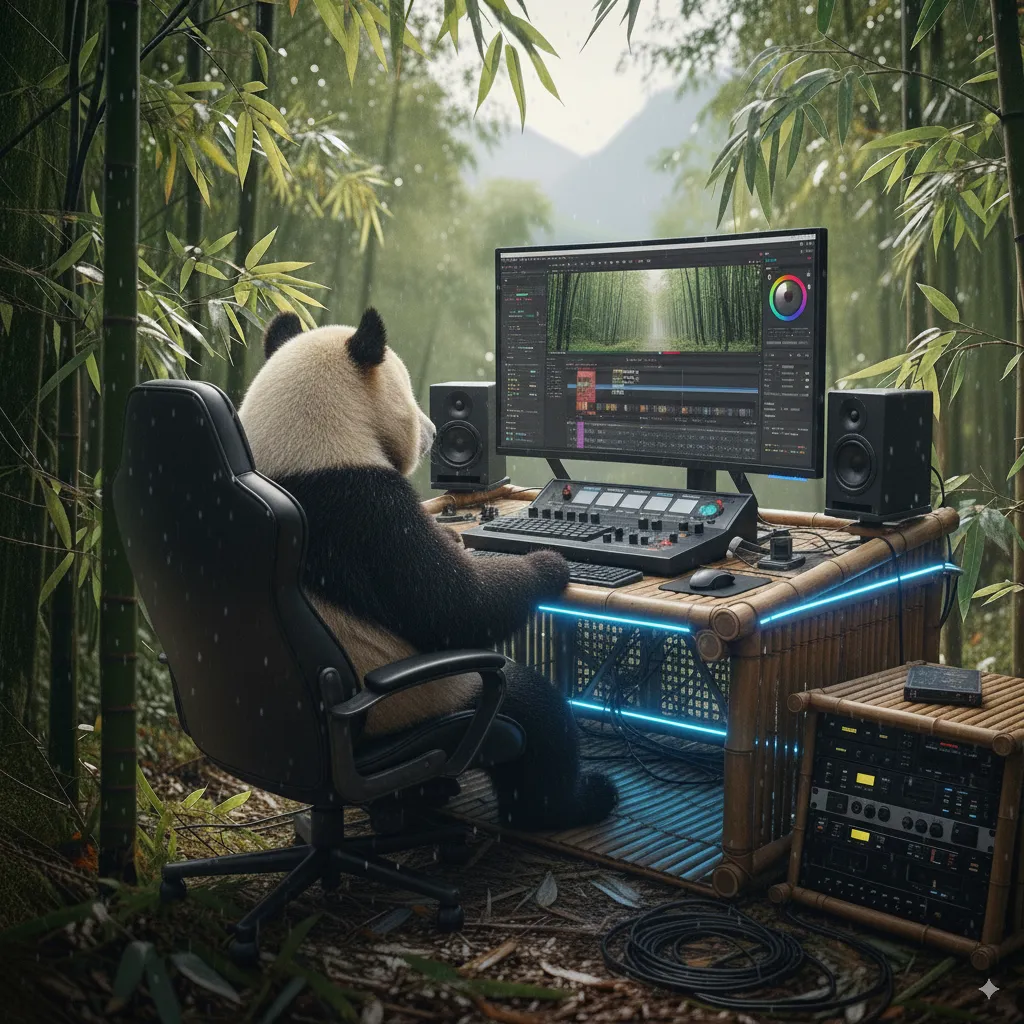
Nano Banana is a turning point for product marketing and commercial film production. It democratizes professional image editing, saves time and costs, and unlocks creative freedom for brands and filmmakers. With its speed, precision, and ease of use, Google is setting new standards in visual communication and providing creators with powerful tools to generate new content.