Be the change you want to see in the world
- Mahatma Gandhi
India – colorful, loud, vibrant, populous, traditional. The image of India is just as versatile and changeable as the country itself. Yet, there is also that image which tells the story of a country in transition. This change is taking place economically, but also socially. Institutions, initiatives, and companies that are committed to issues of overall social relevance are therefore currently very much in tune with the times – not just in India, but all over the world. Collaborations that transcend national borders are correspondingly modern and widespread. Just like the German start-up nunam, which is committed to the advancement of women, intercultural cooperation, and, above all, environmental protection – and this is also achieved through its collaboration with Audi and the Audi Environmental Foundation. The start-up has been supported by Audi since 2019, and we have already had the pleasure of producing a film about the e-rickshaws developed in cooperation between Audi and nunam. Since the project fascinated us, especially because of its underlying philosophy and spirit of innovation, we thought it was truly worth telling a bit more about the history and projects of the start-up.
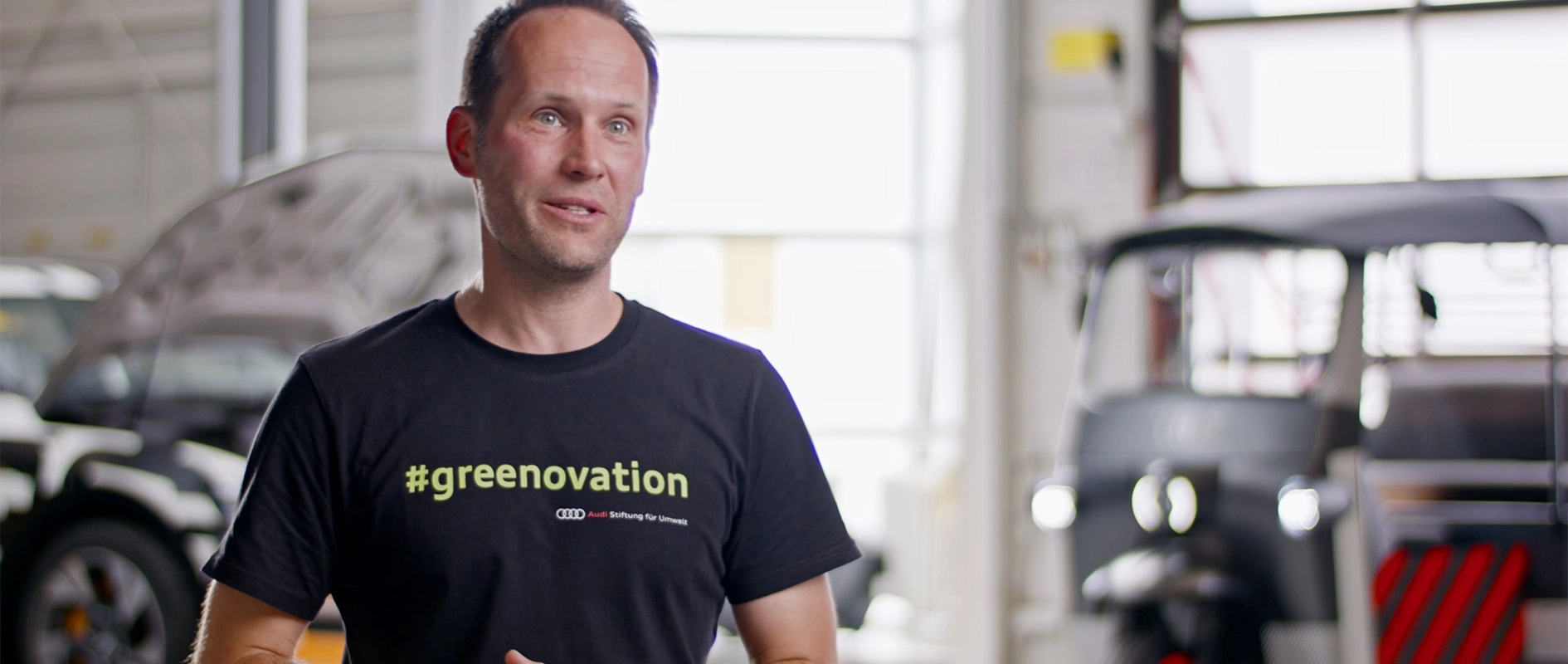
The start-up was co-founded by Prodip Chatterjee, who, as a German with an Indian migration background, not only has a special connection to the country but also keeps an eye on its challenges – especially those of the rural population. He is particularly concerned with the use of electronics and the lack of widespread access to electricity in rural areas. This was the initial spark that motivated him to launch nunam together with his co-founder Darshan Virupaksha into the world. The name nunam means "for the future" in Sanskrit and reflects the philosophy underlying the company. The goal: to find and use sustainable methods and energy sources to benefit the people of India. So-called second-life batteries are being used for this purpose. Second-life batteries are batteries that have already been used in other devices, such as laptops, and can now be repurposed in other ways.

This is where Audi comes in. In addition to batteries purchased from scrap dealers and subsequently tested for usability, batteries are also sourced from Audi itself. Through this partnership, used lithium-ion batteries from the Audi e-tron test fleet are given a second life – for example, in electric e-rickshaws – and thus have the opportunity to serve the climate by avoiding unnecessary pollution and global waste. Due to its innovative and future-oriented work, the young company has already been awarded first place in the EDF Pulse Awards India, which support start-ups with particularly visionary ideas. The nunam motto is based on the 4 "R"s: "Re-Duce, Re-Use, Re-Cycle, Re-Think". Disposing of used batteries in landfills leads to a massive and lasting environmental problem, as they cause severe chemical pollution. This is exactly where nunam steps in. As founder Prodip Chatterjee explains, the batteries – although used – are still extremely powerful and retain up to 70% of their storage capacity. In their second life, they are particularly suitable for use in small devices like smartphones. Once repurposed in this way, the batteries are intended to be used primarily in rural areas to drive development.

E-rickshaw incoming
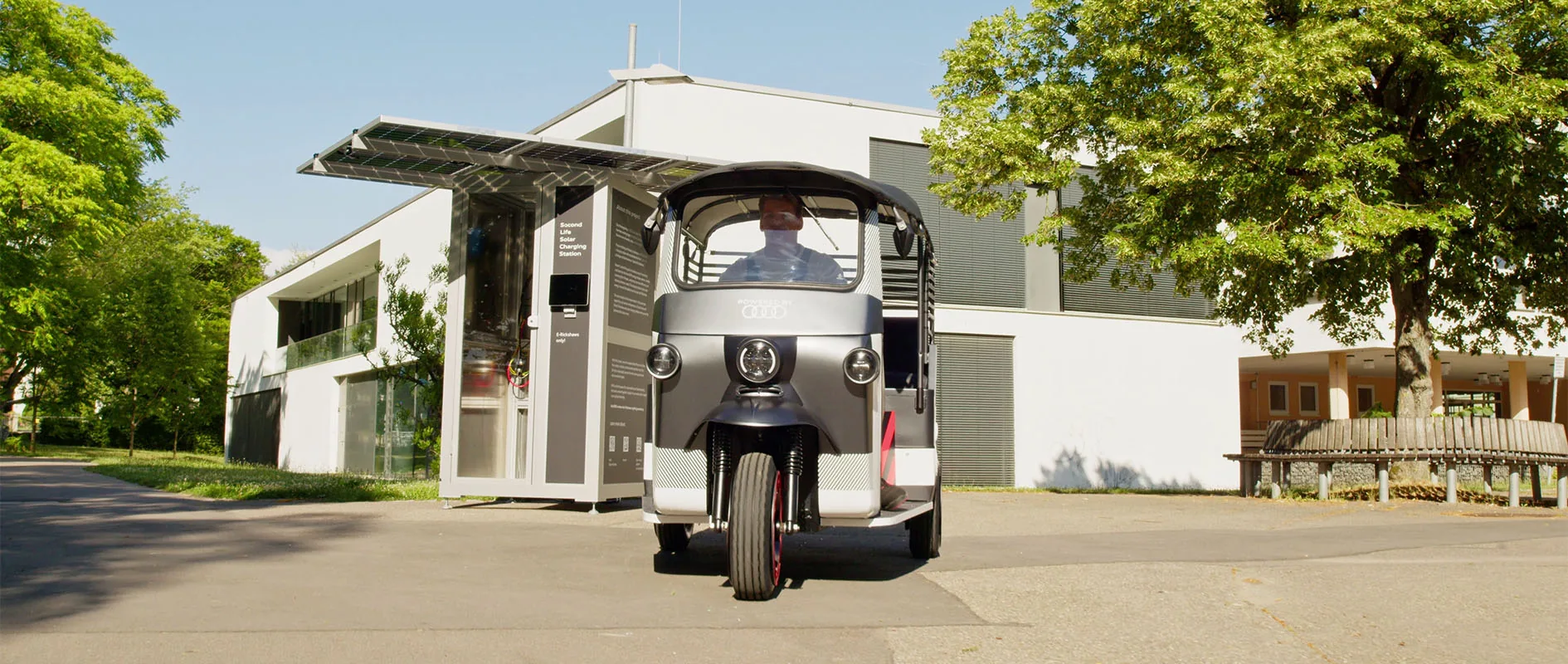
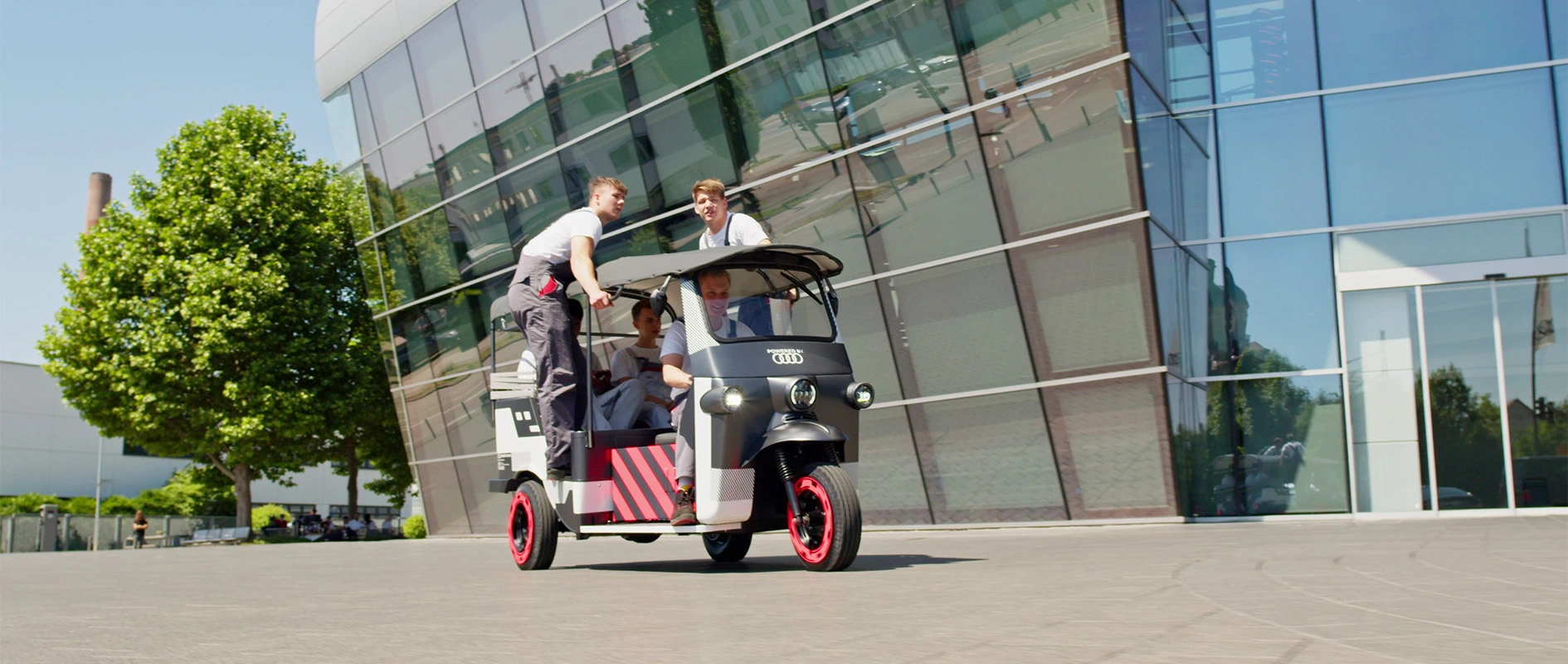
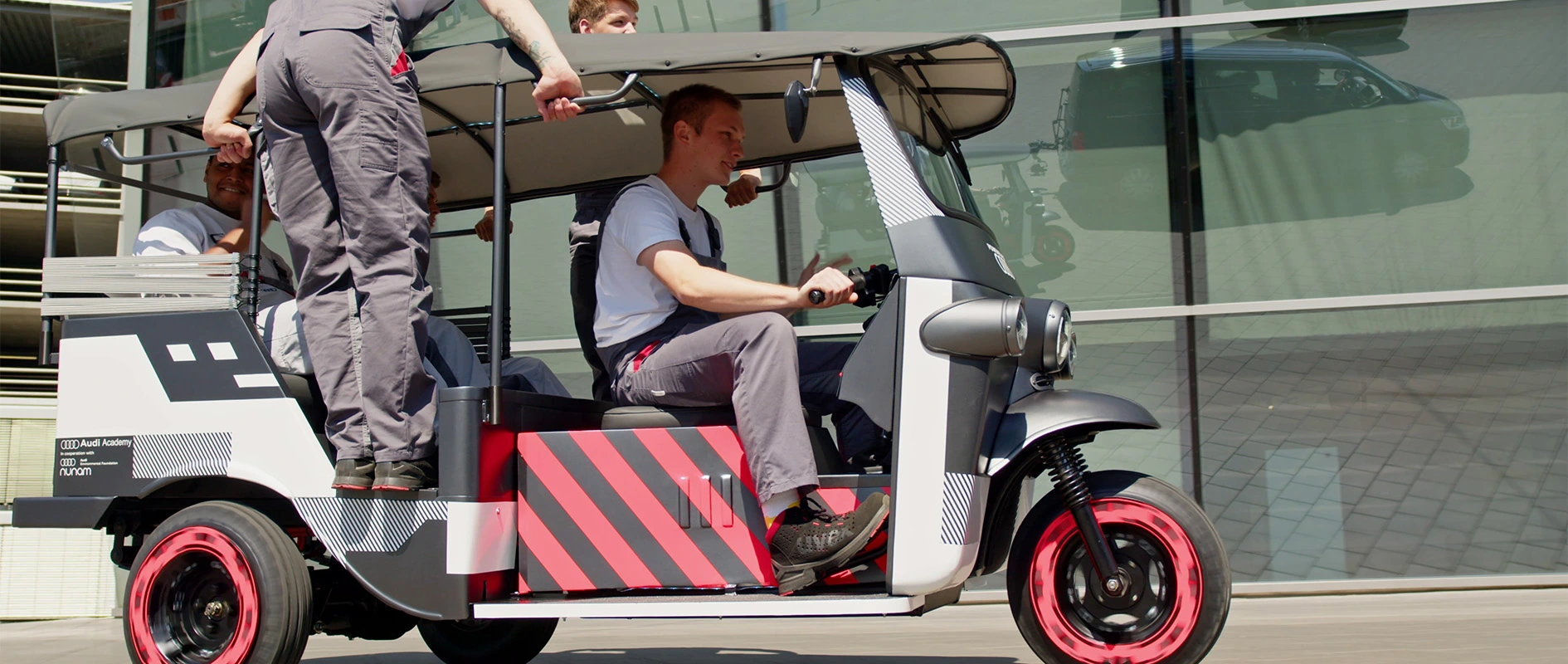
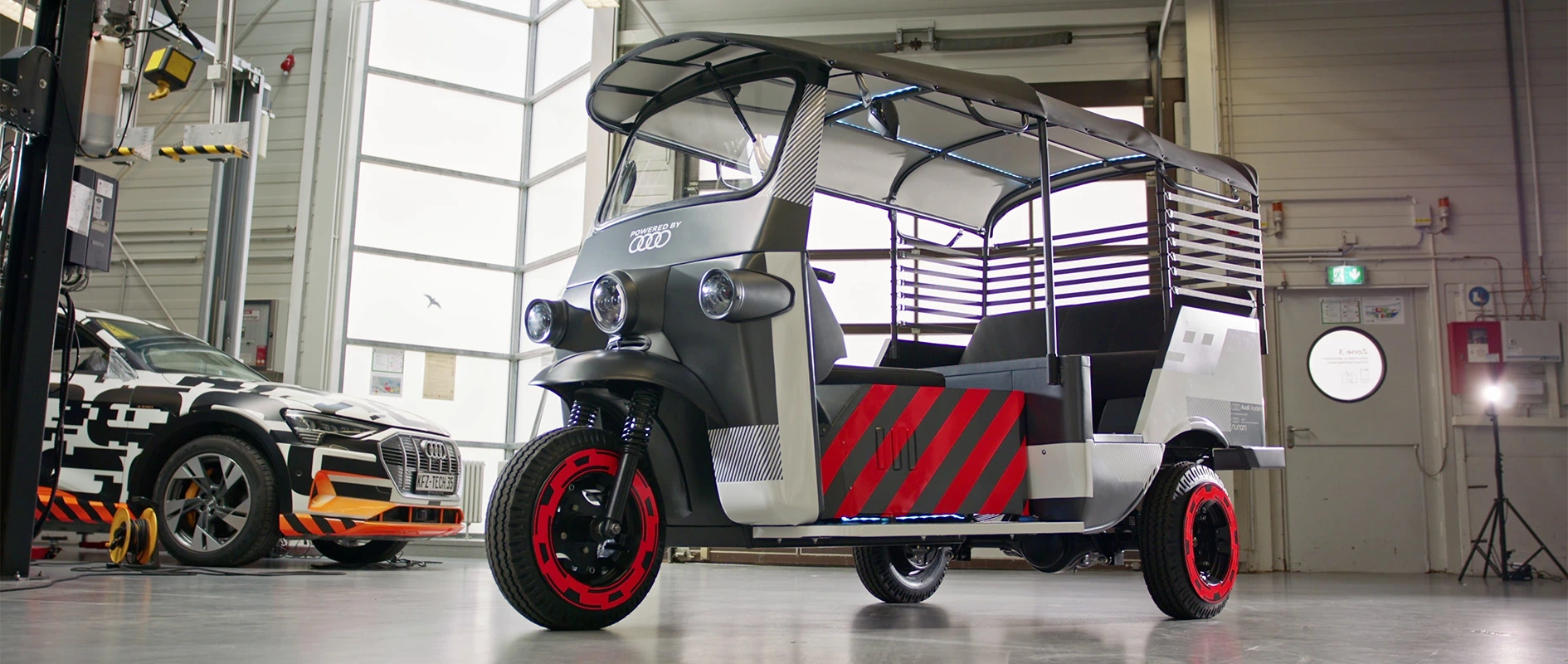
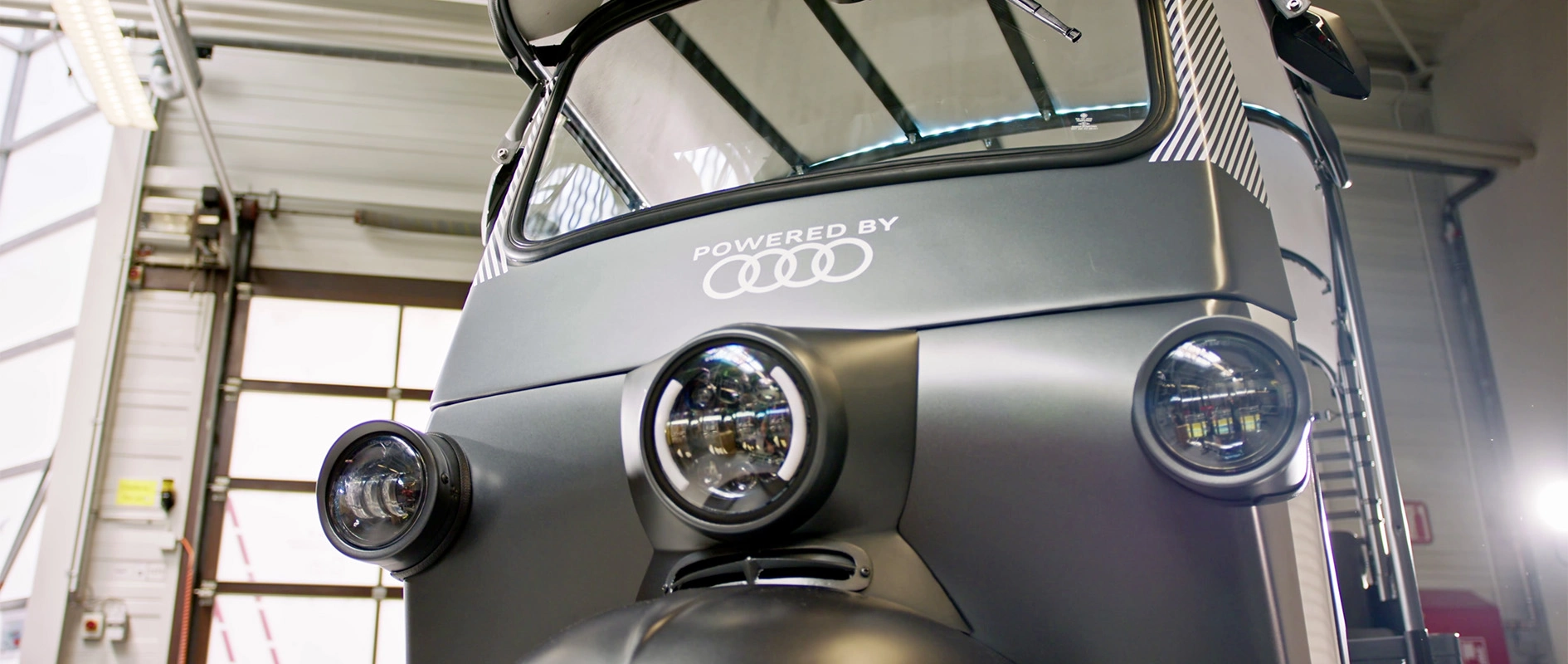
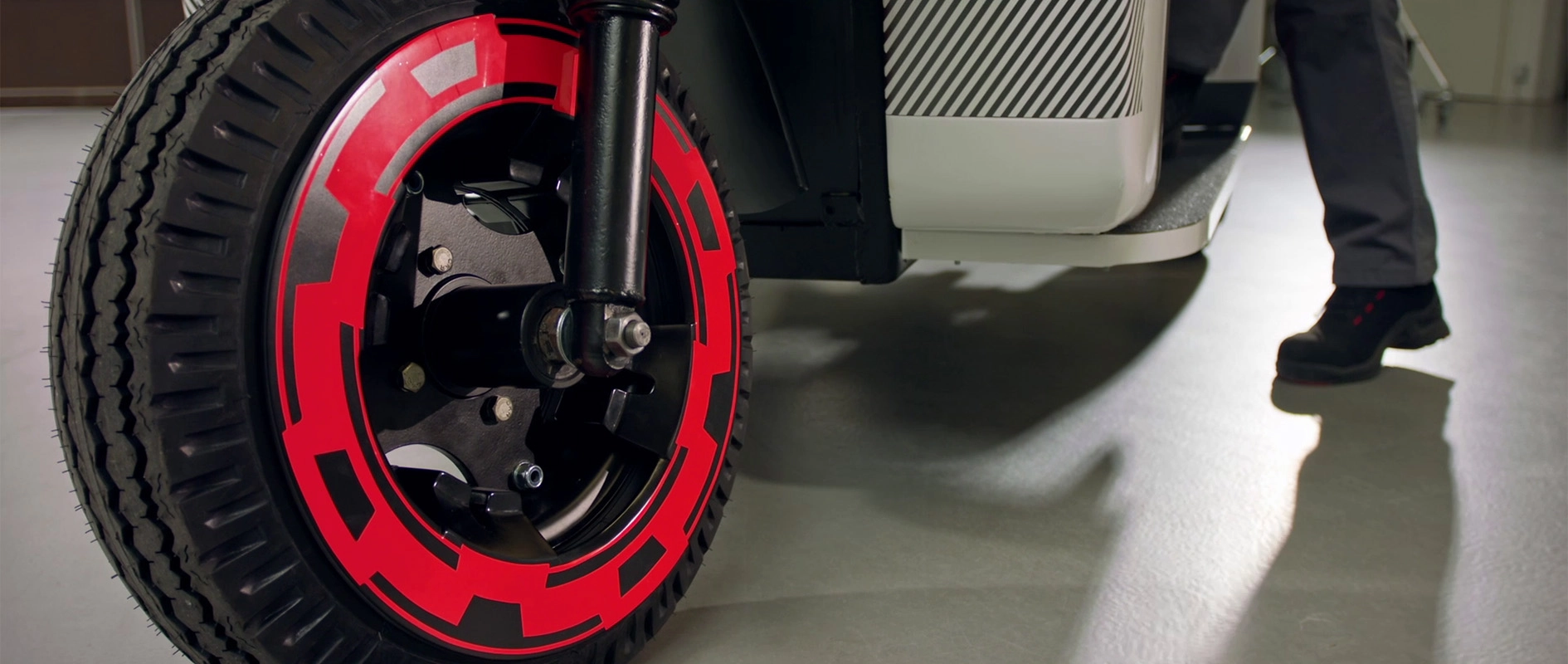
In addition to their use in small devices, research is being conducted together with Audi and the Audi Environmental Foundation into using the batteries in small vehicles like the e-rickshaw. This new application not only prevents e-waste but also opens up further possibilities and areas of use on the path to recycling. For nunam, use in other areas and products is also conceivable after the batteries have been discharged in the e-rickshaws. The remaining energy could be utilized there before the batteries are finally recycled. In this way, we are standing up to the waste and throwaway mentality of our time.
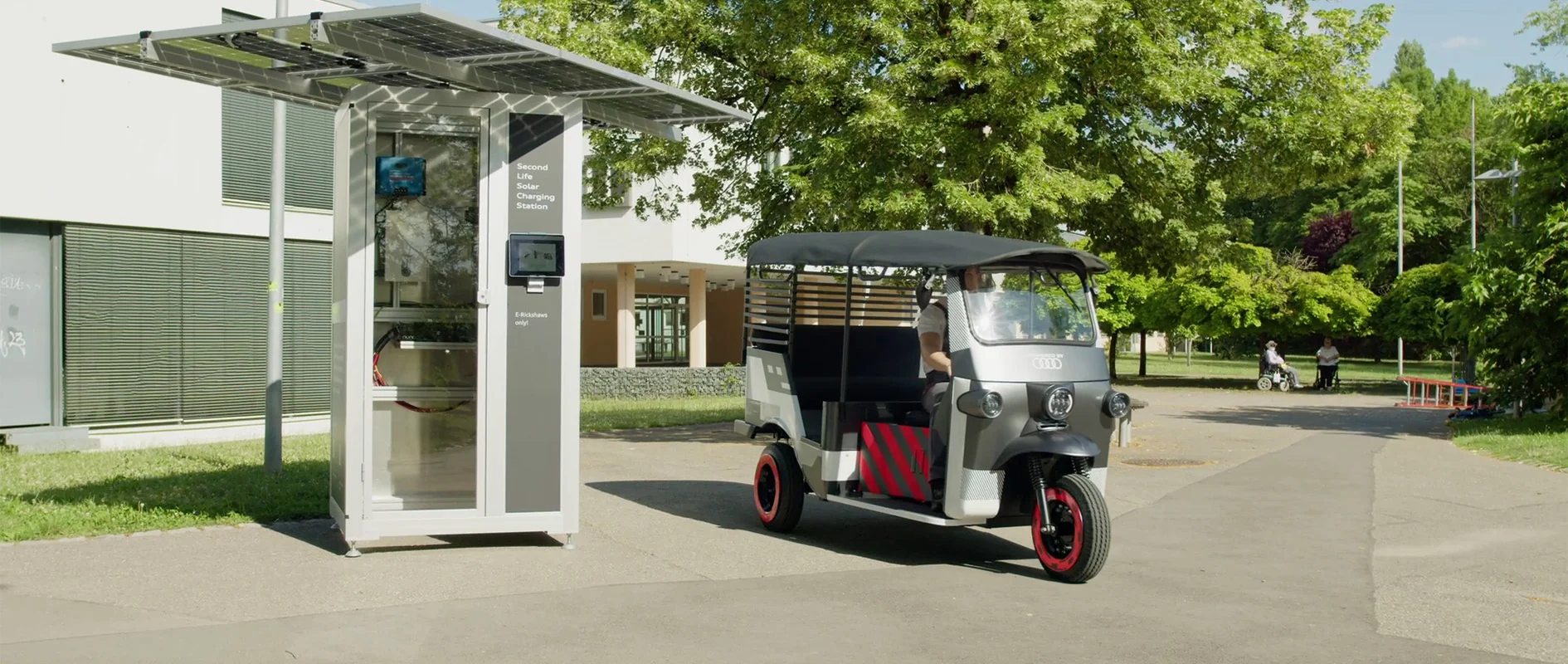
Although e-rickshaws already exist on Indian streets, they are mostly powered by lead-acid batteries, which do not last very long and are only partially recyclable. This fact naturally contradicts the very idea of environmental protection. In 2023, the e-rickshaws designed by nunam and Audi are therefore set to be launched in a pilot project in India to be used by non-profit organizations. Even the solar-powered charging stations were developed by nunam itself. Given the long hours of sunshine, India is, of course, ideally suited for the solar cells installed in the charging stations. The long-term goal is also to build nano-factories that can promote the reuse and recycling of batteries even more efficiently. To encourage other innovators around the world, nunam makes all information and data about its technology freely available on the open-source platform circularbattery.org. This is a literal call to action, encouraging as many people as possible around the world to get involved in sustainable projects.
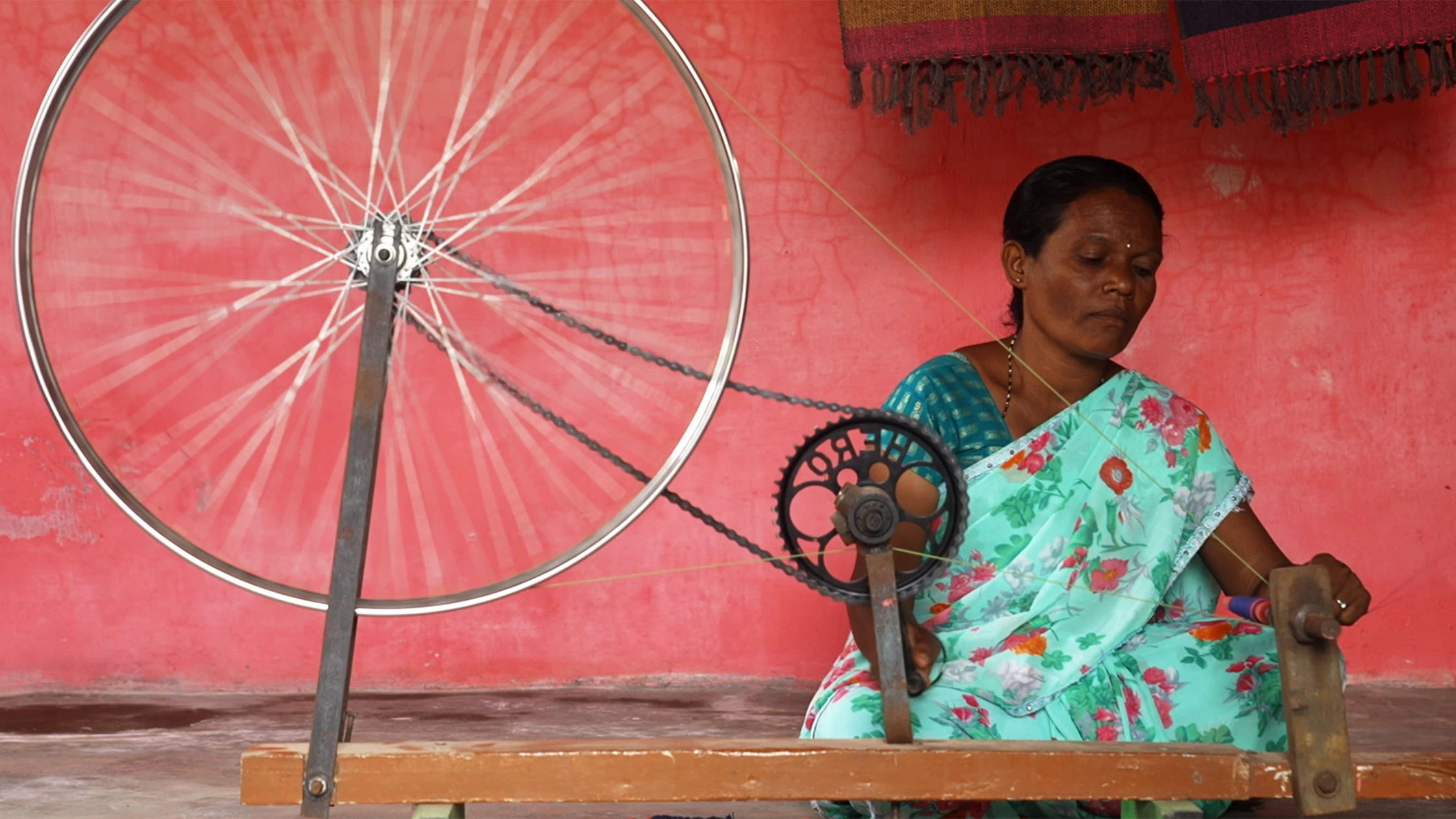
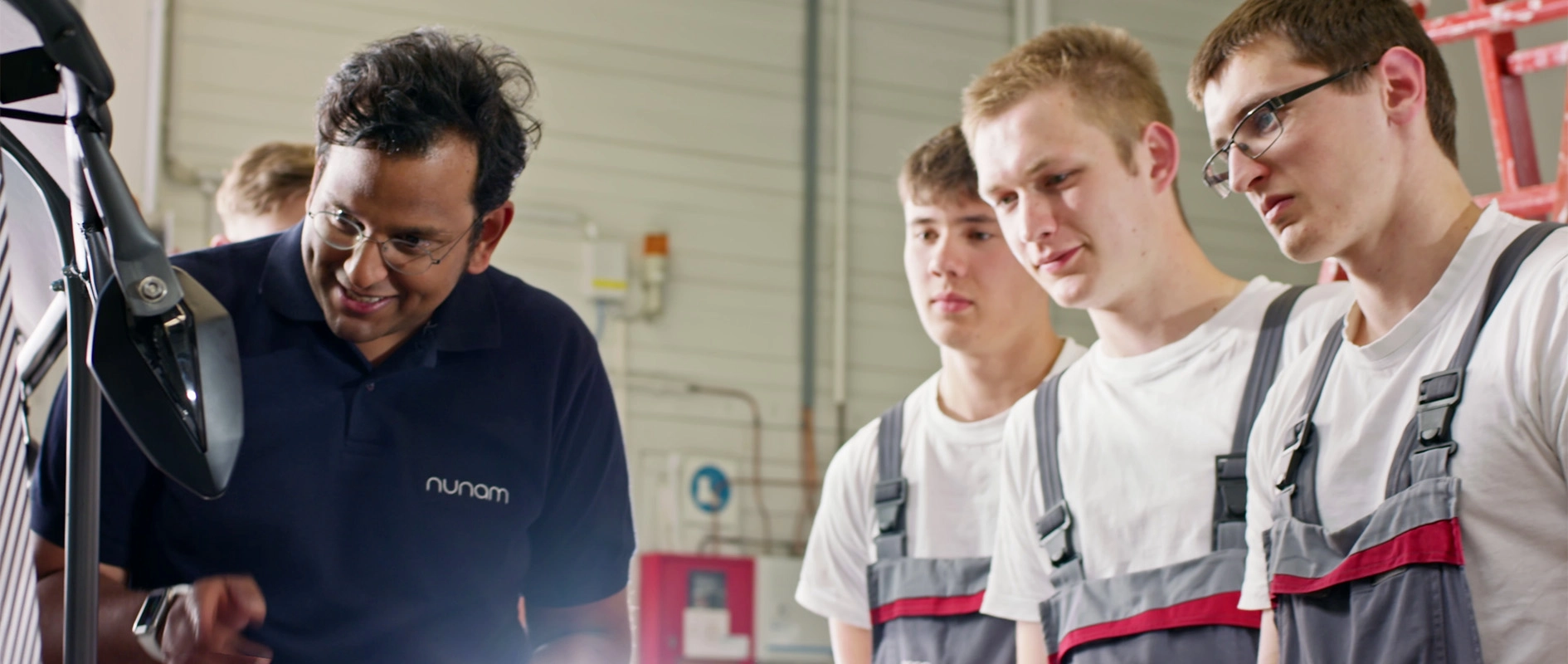
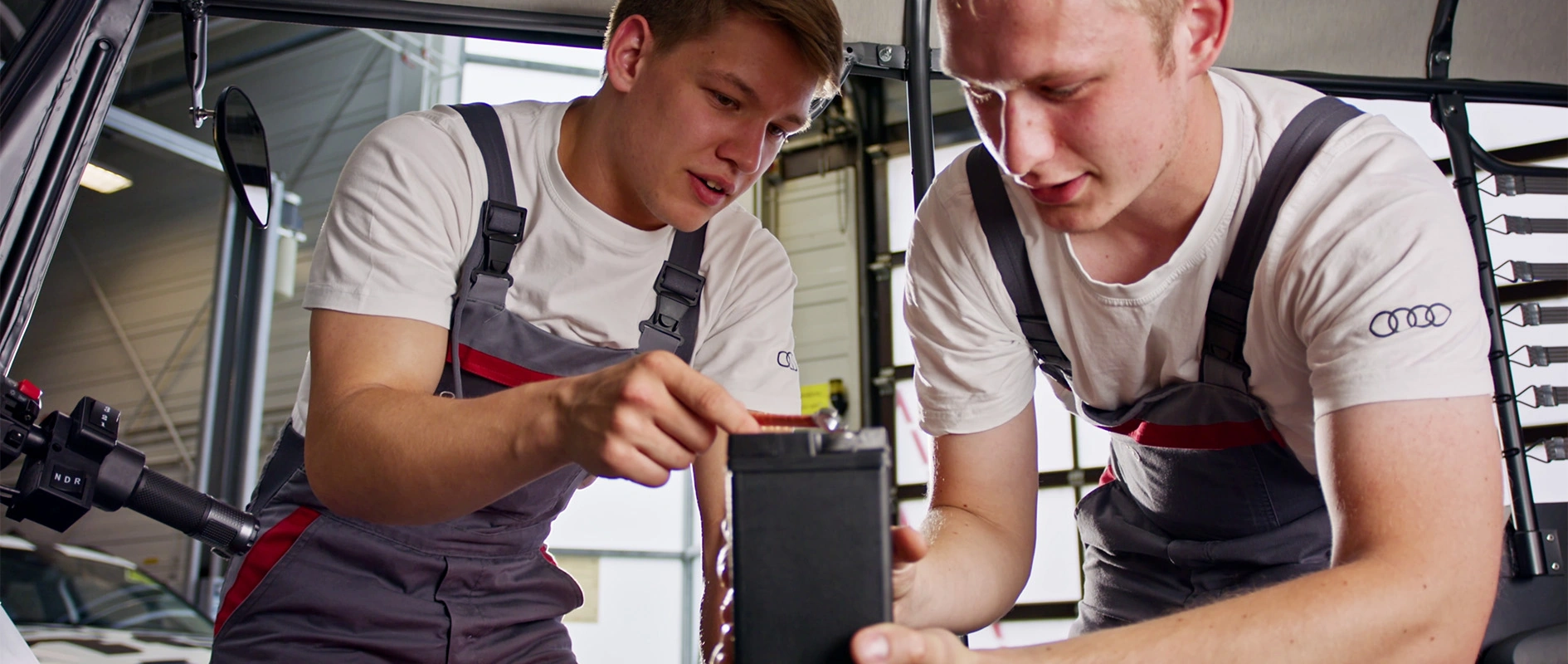
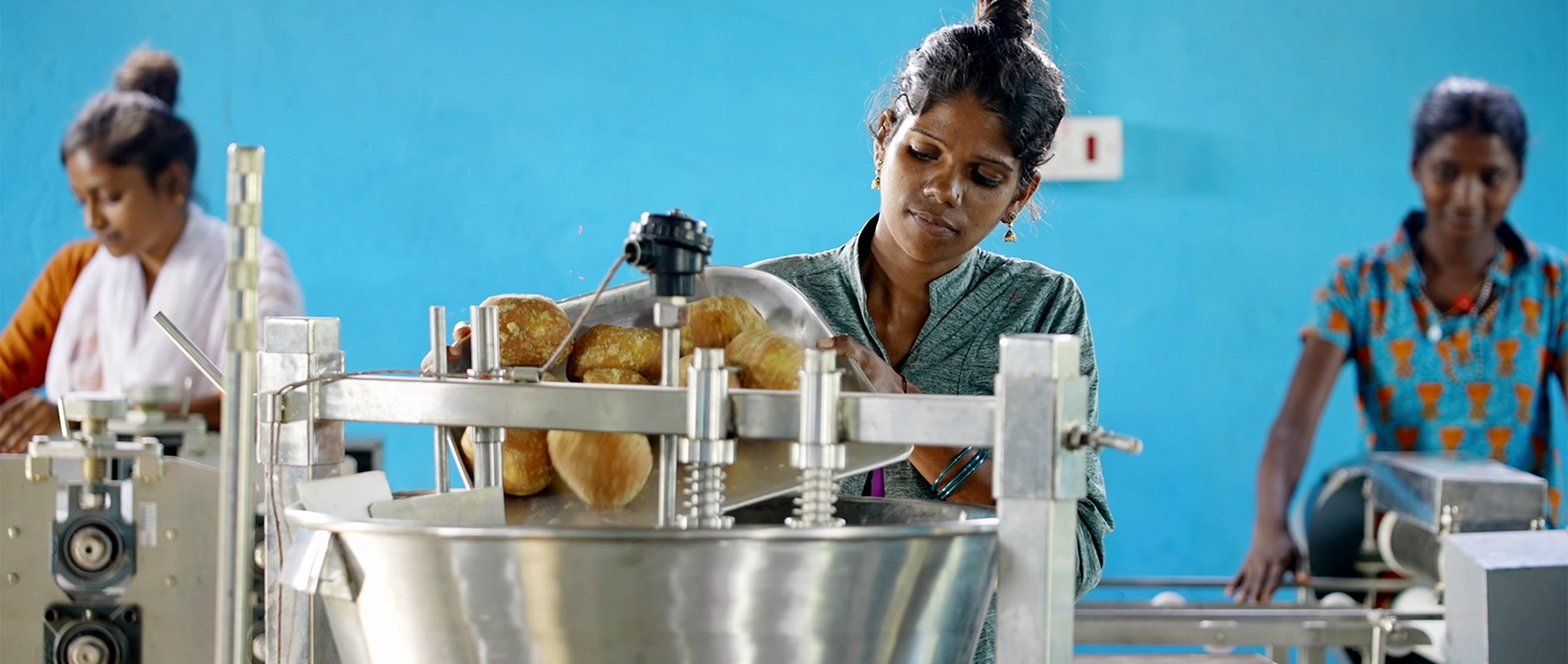
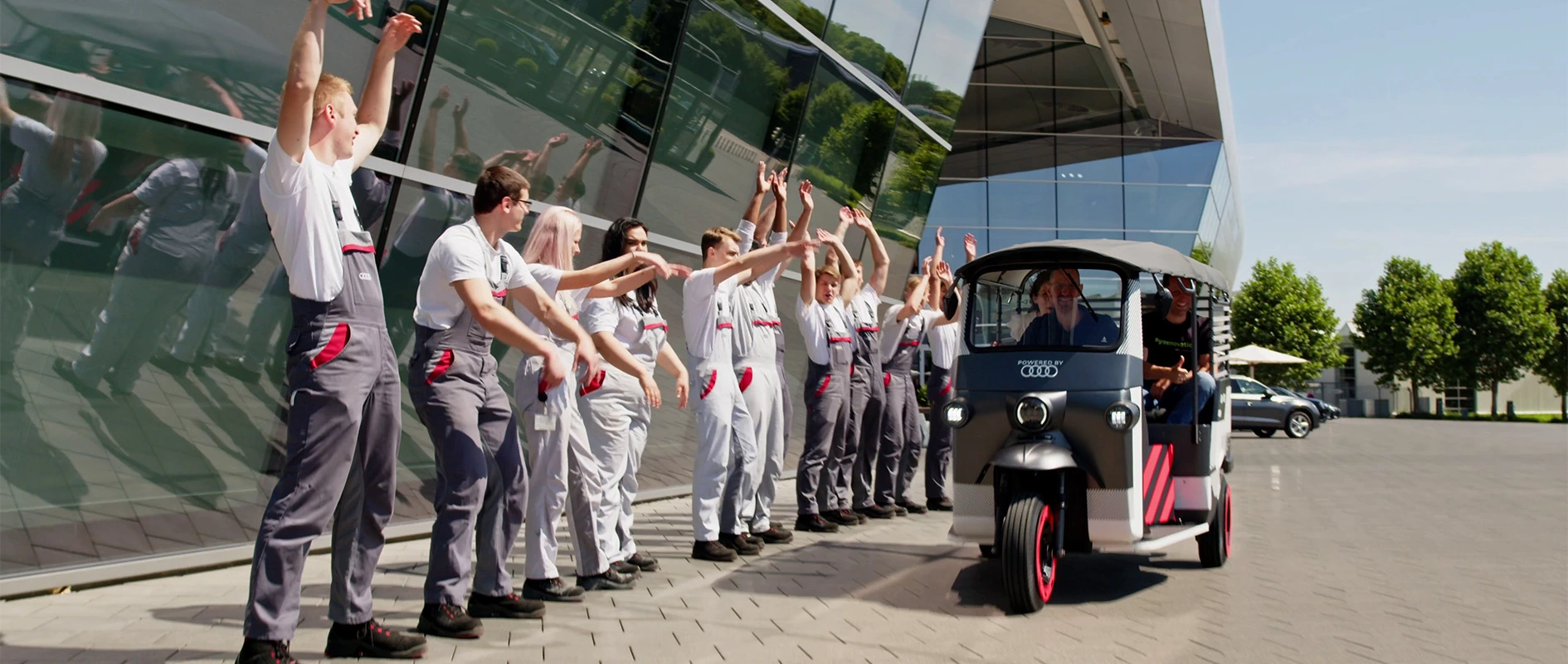
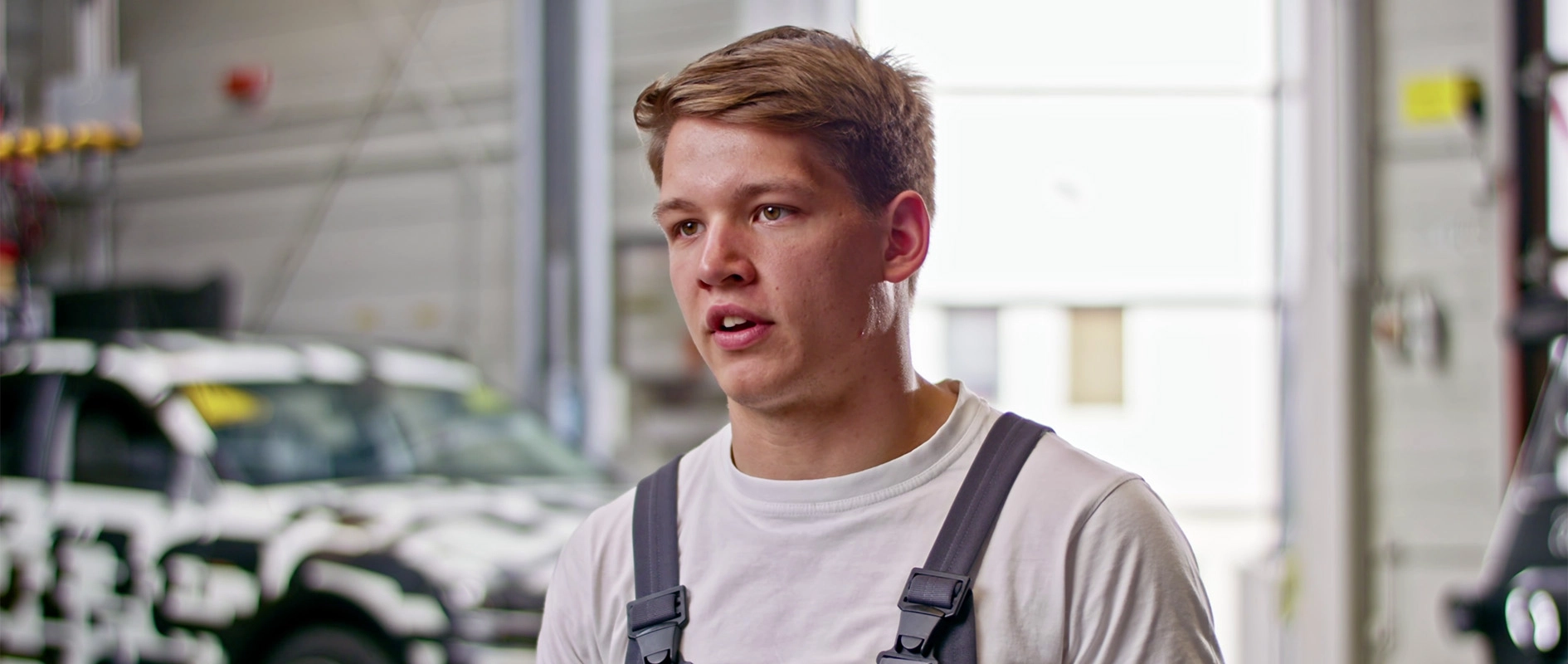
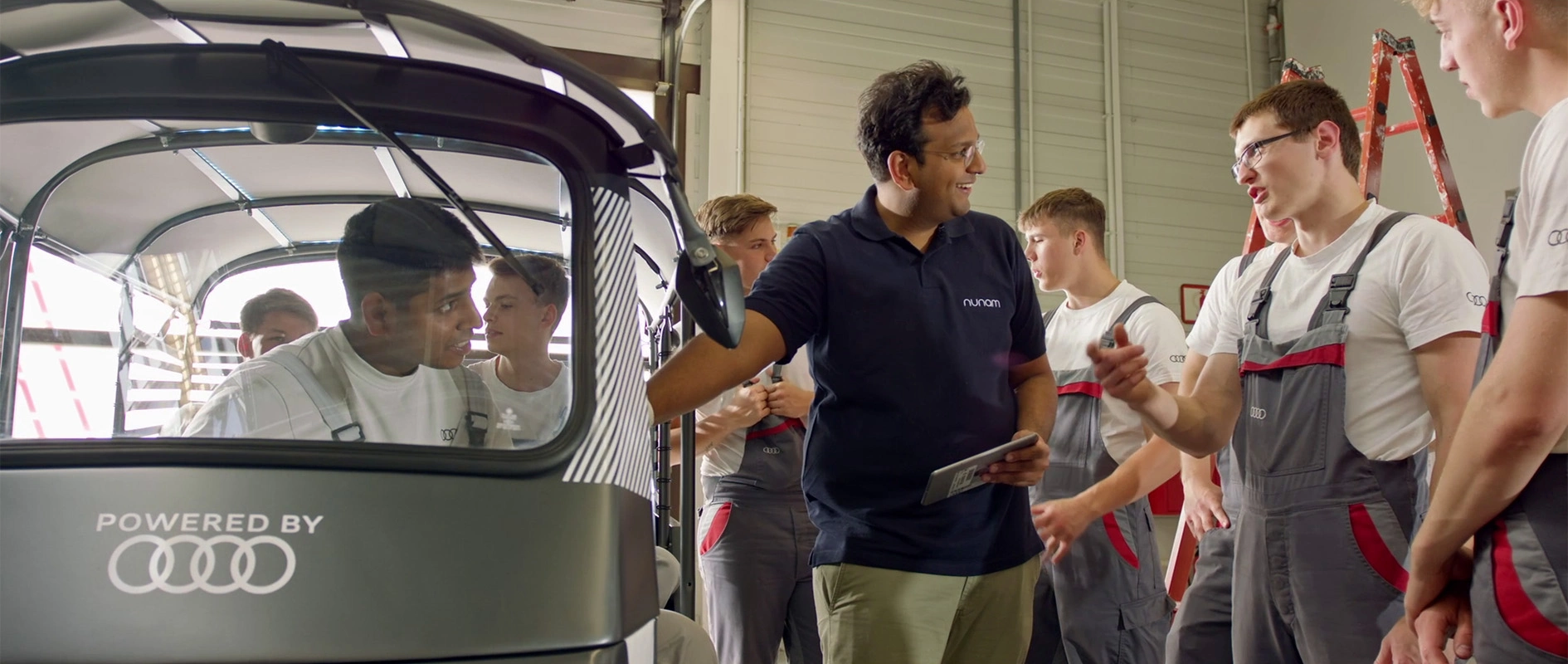
Beyond sustainability, a major USP of nunam is the intercultural exchange. This benefits not only the project but also the final product, as a wealth of diverse knowledge from both countries is combined. A direct line between Bangalore, India, and Neckarsulm in Baden-Württemberg ensures optimal communication between nunam and the Audi site in Neckarsulm. In Neckarsulm, a team of Audi apprentices is entrusted with the development, meaning they have been involved from the very beginning. This forward-looking approach also fosters the next generation of innovative minds. However, it is not just the climate that benefits from the efforts of the Audi Environmental Foundation and nunam. The e-rickshaws are specifically intended to promote women's employment by providing them with the necessary mobility, for example, to transport their goods to markets or merchants. By having the ability to move goods from A to B, their chances of participating sustainably in the market economy increase, allowing them to become financially independent and less reliant on intermediaries.
It was a great pleasure for us to support this relevant and future-oriented collaboration between nunam and Audi with two films, highlighting the potential applications of second-life batteries and drawing attention to the associated social issues. Projects like these are particularly close to our hearts, and we at Panda Pictures are glad to have been a small part of it.