DaVinci Resolve – The Color Grading Software
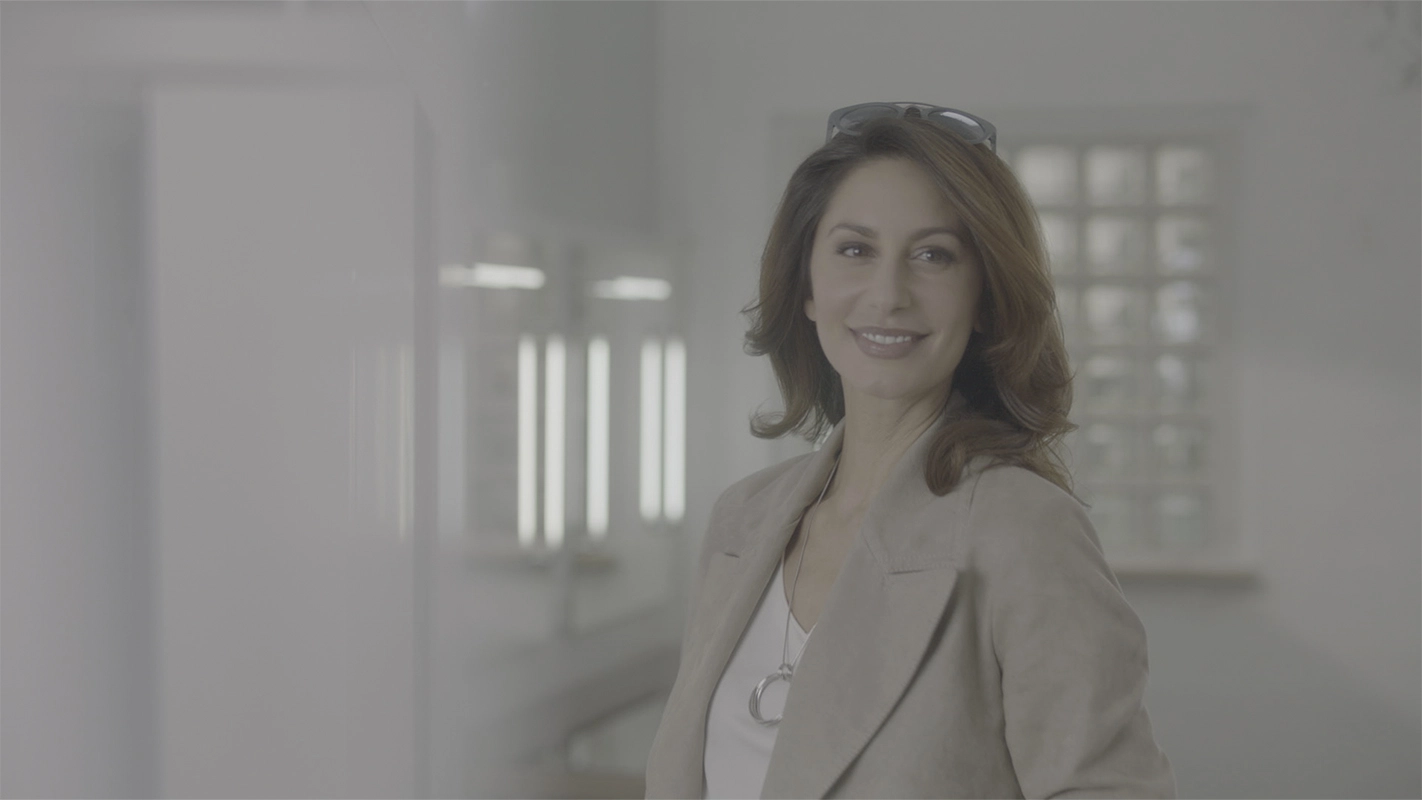
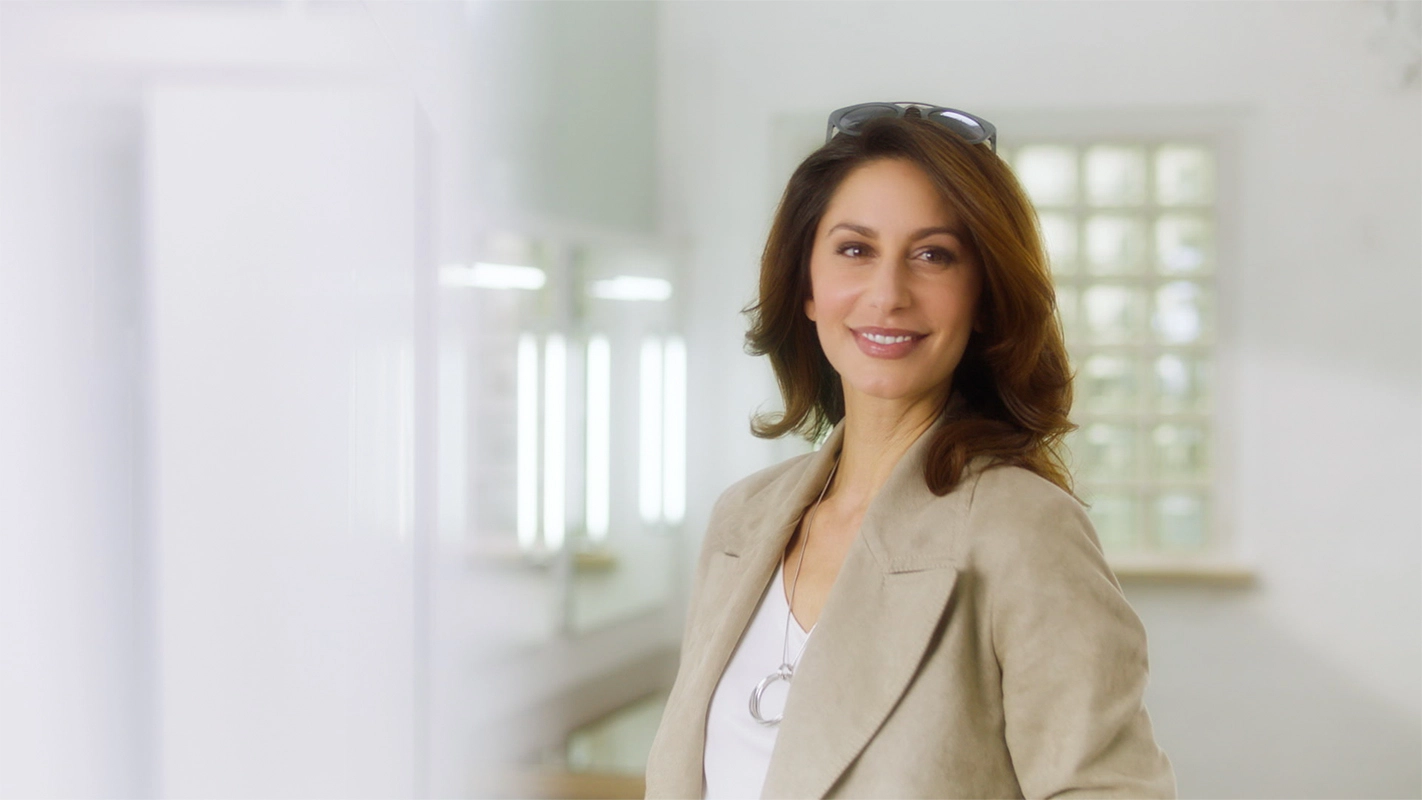
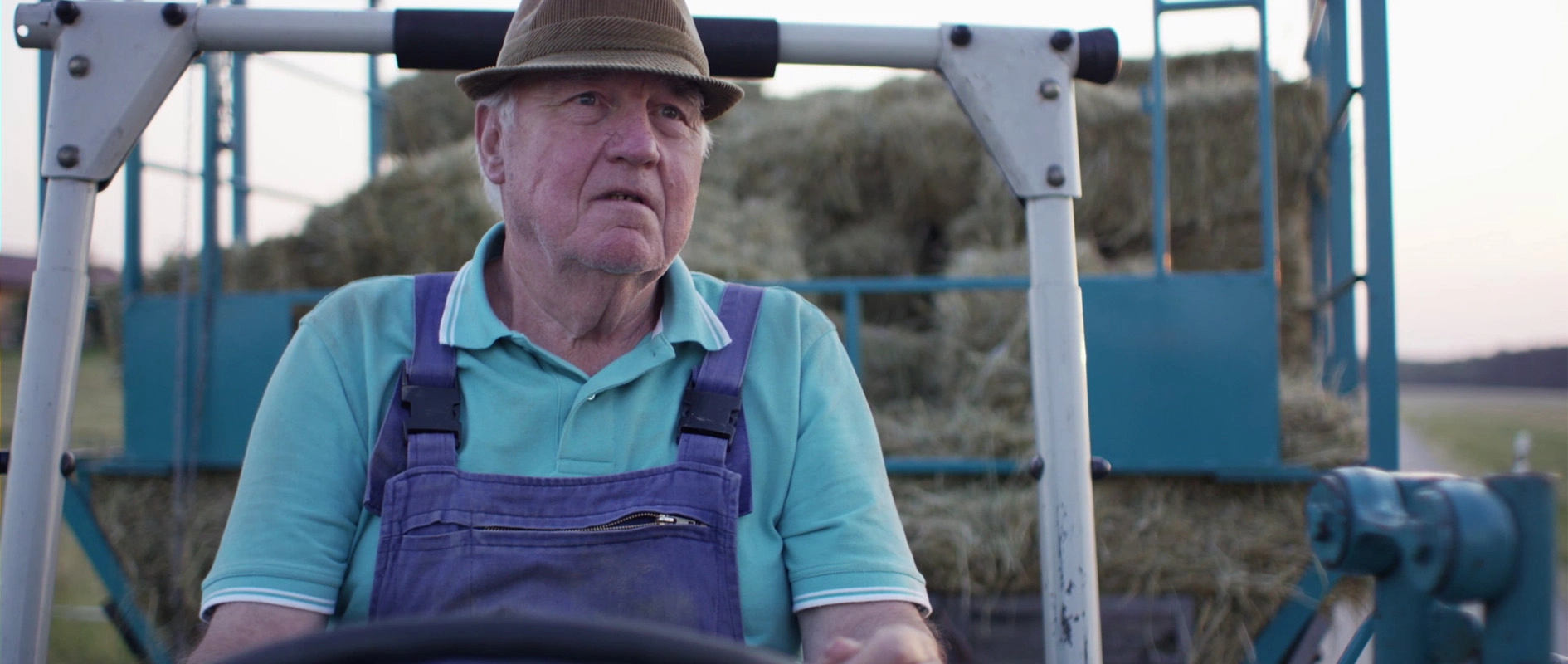
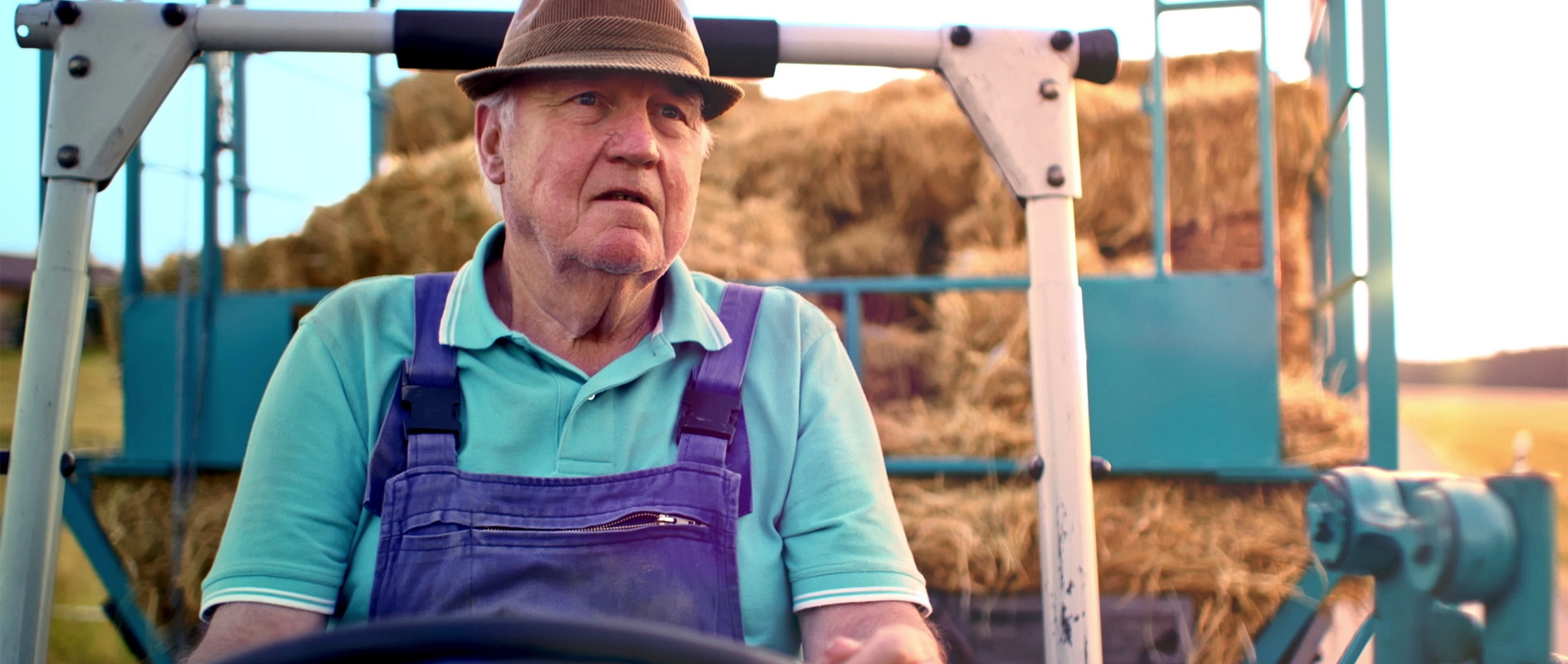
Your film has been shot and the edit is complete. But it’s not quite finished yet. The final phase of productionis all about giving the film a custom look. This happens during the final process of color correction, also known as "color grading."
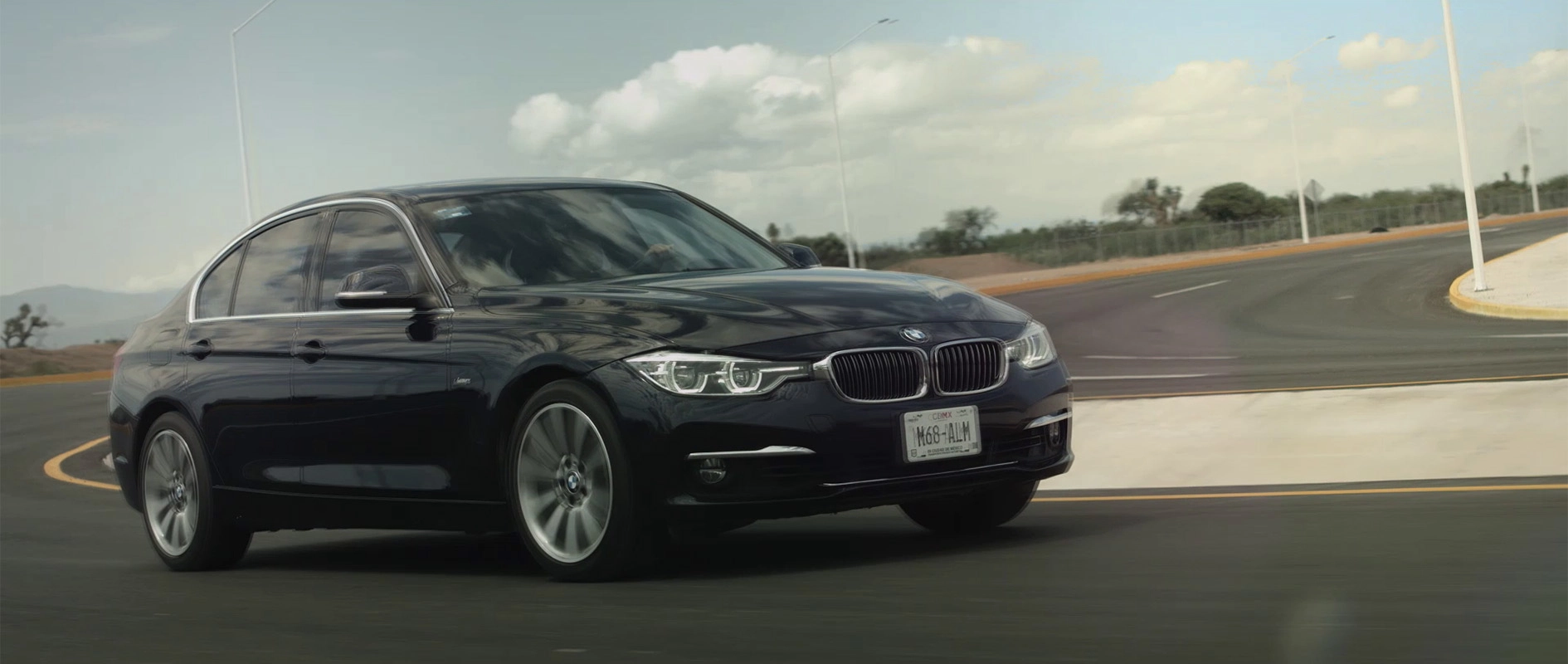
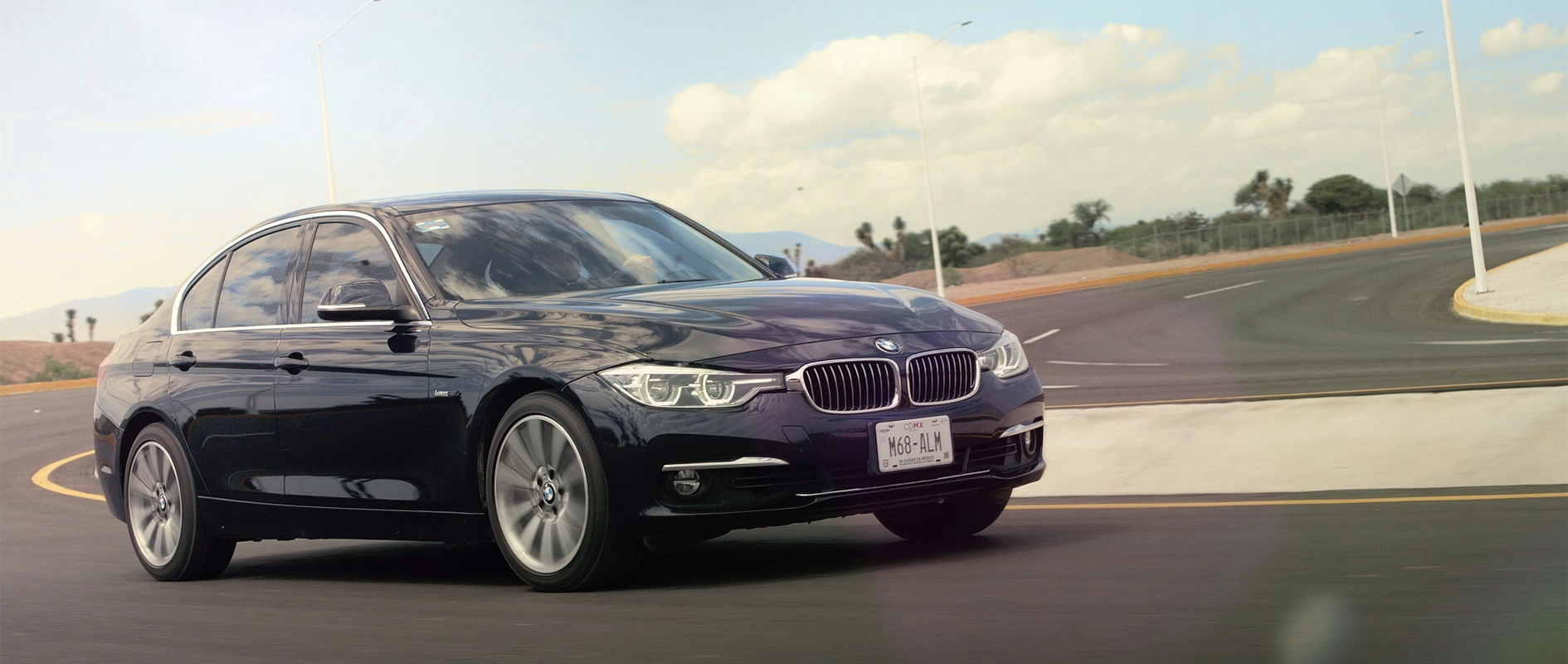
Every film gets a unique "look" through color grading, which can be used to evoke different atmospheres. A fashioncommercial (e.g., for Madeleine Mode) is therefore graded with brighter, fresh, and vibrant colors, whereas an image film for, say, BMW is graded more in corporate identity colors like blue and gray—cooler and therefore more "technical." This is how we provide the optimal grading for every client.
The "look" of an image
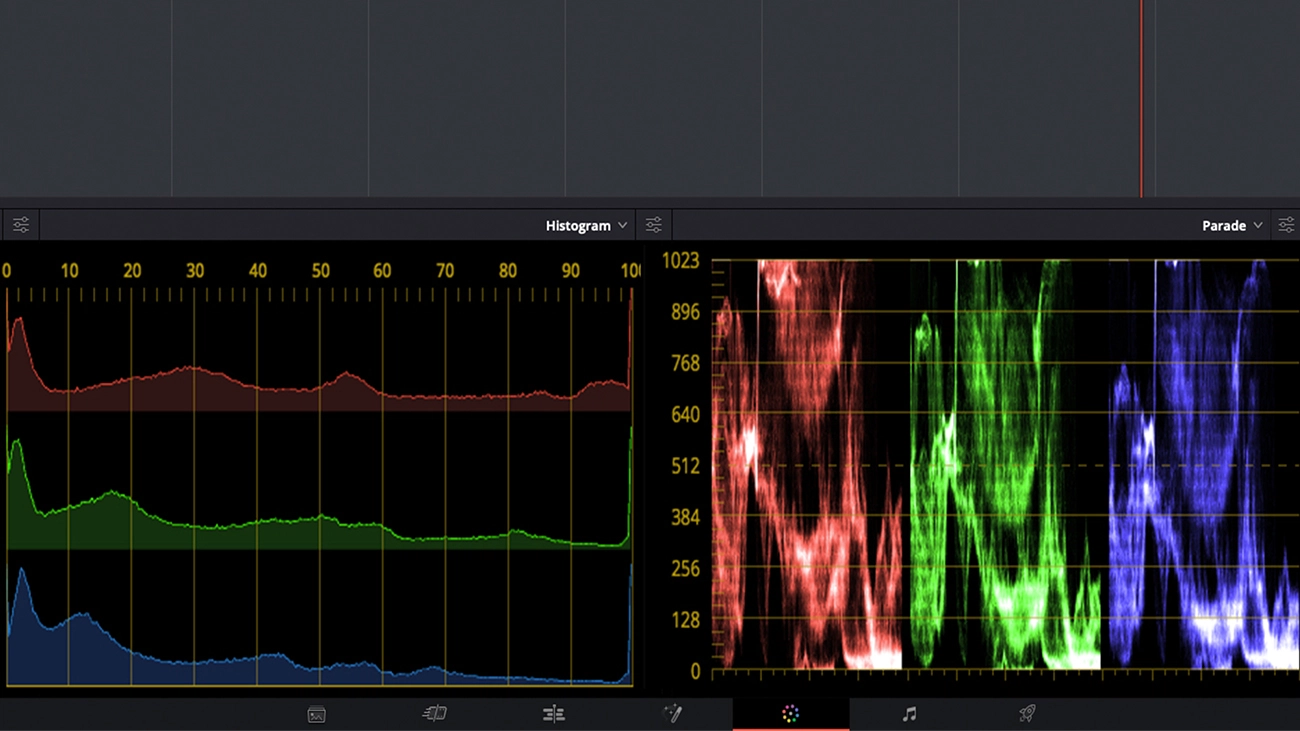
An image in the standard RGB (Red, Green, Blue) color space consists of three areas: shadows, midtones, and highlights. Each of the three color channels can be adjusted in these areas in a variety of ways, forming the foundation of color correction to give the final image a specific lighting mood or color scheme.
Difference between color correction and grading
In principle, a distinction is made between basic "color correction" (primary color correction) and the more complex and extensive "color grading" (secondary color correction).
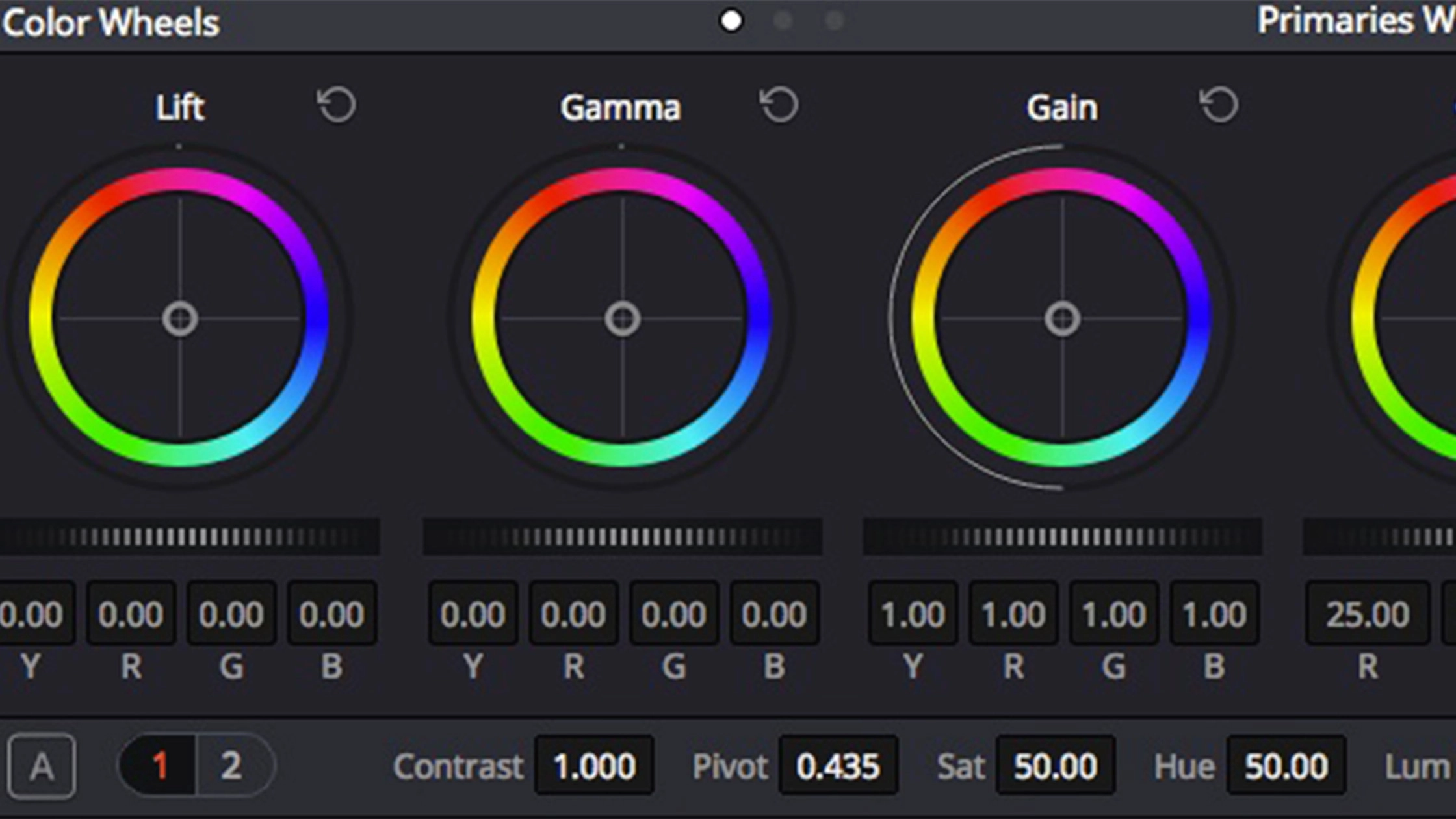
In primary color correction, the original image is adjusted in simple steps using brightness, contrast, and saturation. Changing the color temperature is also generally considered part of primary color correction.
In "color grading," however, more complex steps are used to change not just the image as a whole, but also individual areas in terms of hue, contrast, sharpness, saturation, and more. This is done using various tools such as masks or color keyers. Layer by layer, the image is given its final look to convey the desired mood for the finished film.
Blackmagic Design’s DaVinci Resolve
Panda Pictures uses the world's most advanced tool for this DaVinci Resolve from Blackmagic Design. DaVinci Resolve offers unlimited color grading possibilities, numerous creative tools, and incredible GPU power for real-time performance. Whether for a commercial, music video, or feature film – DaVinci Resolve is the #1 solution for effective color grading.
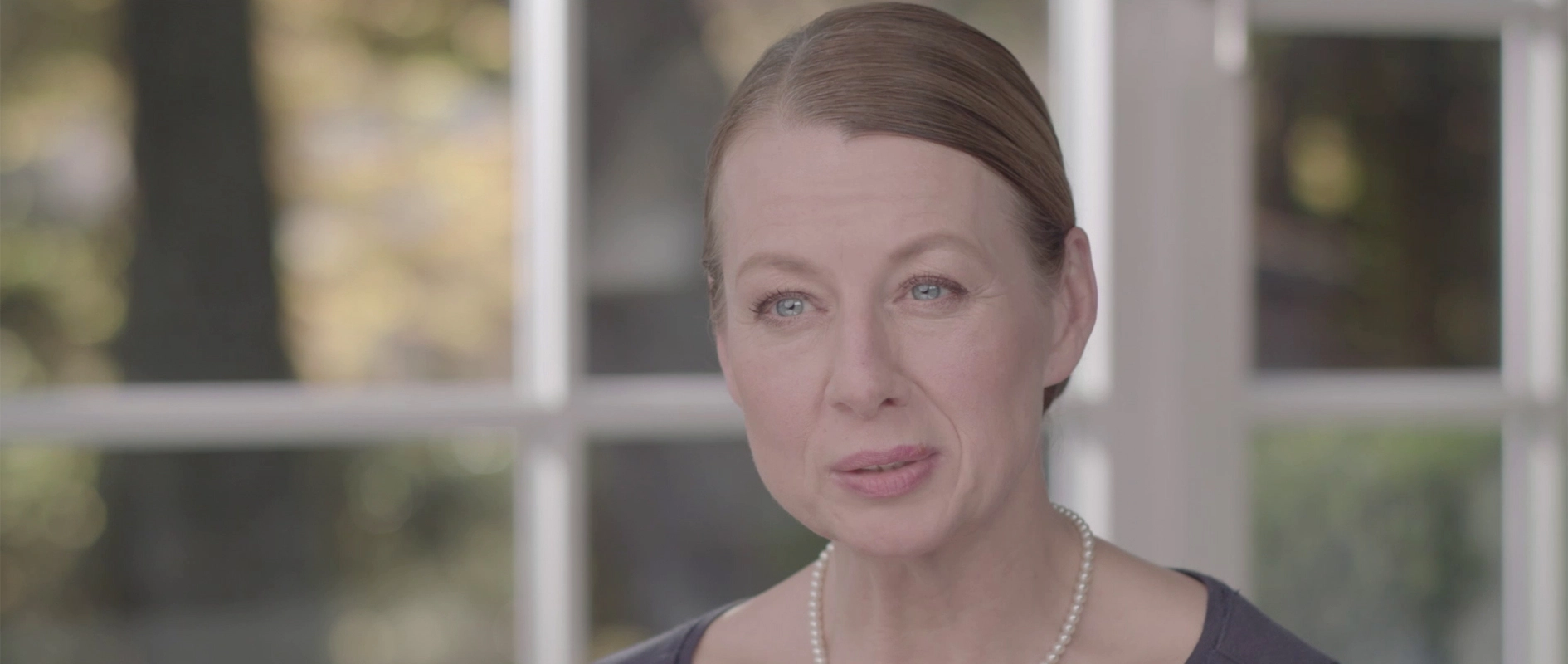
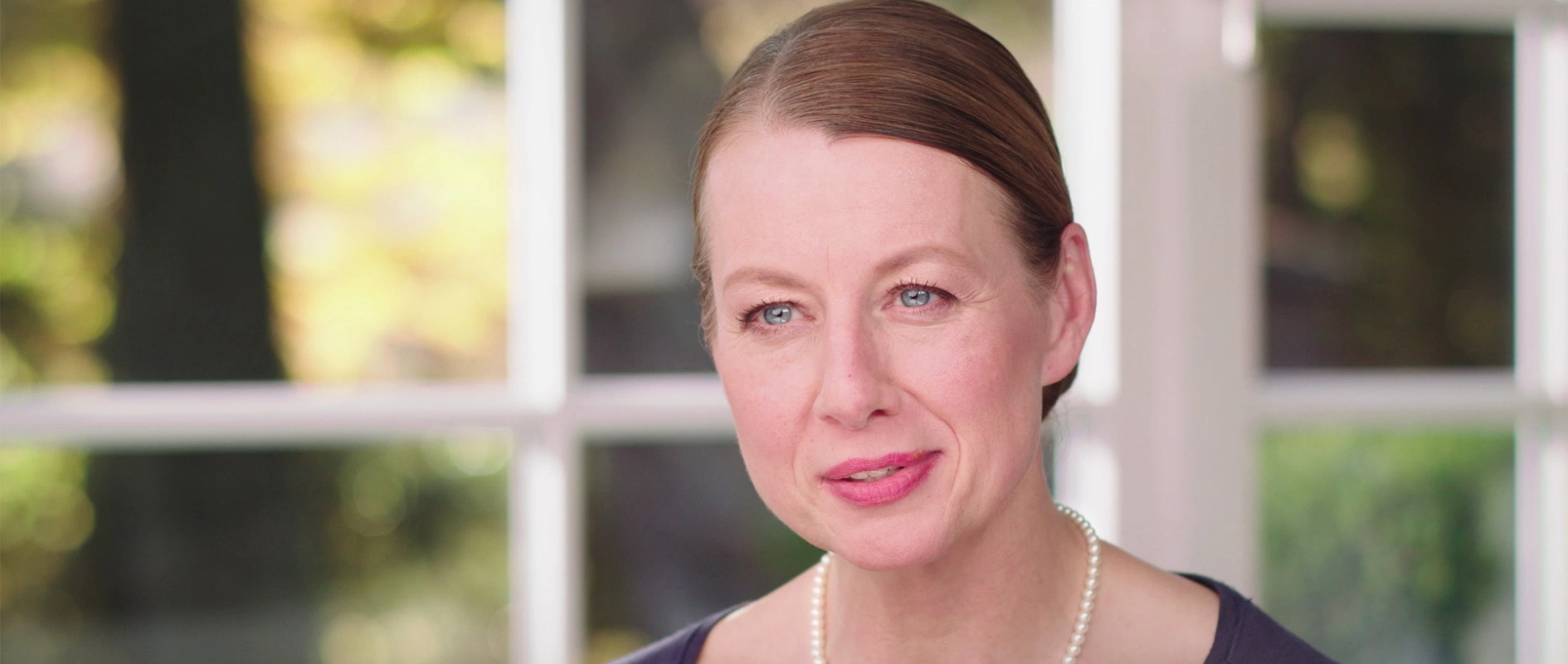
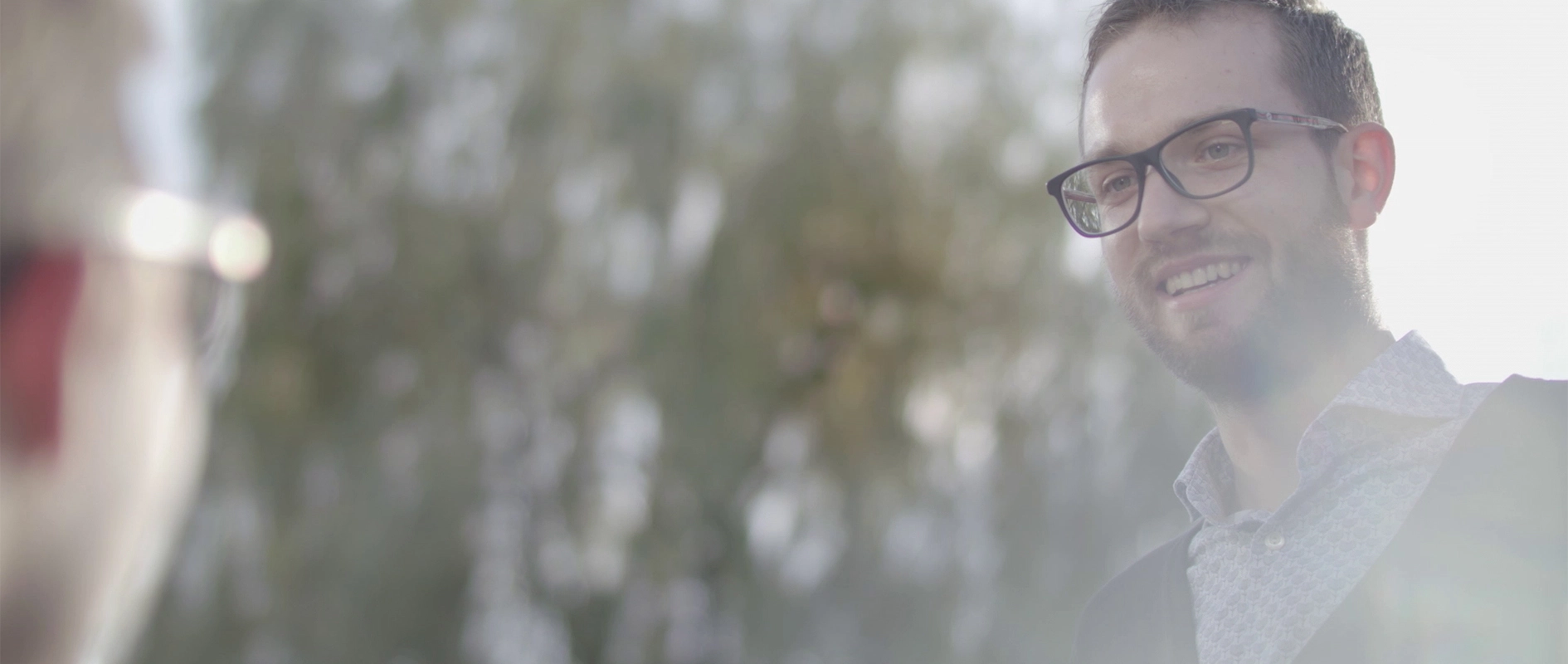
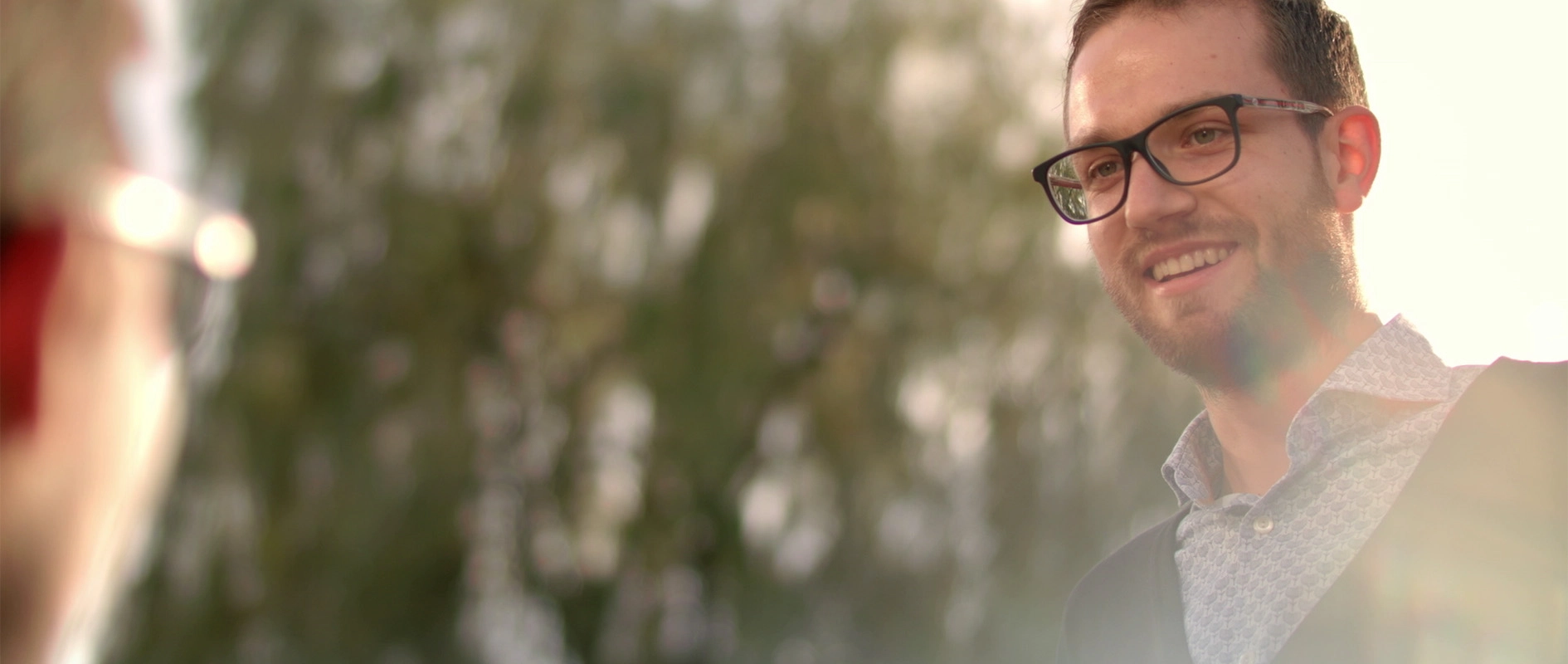
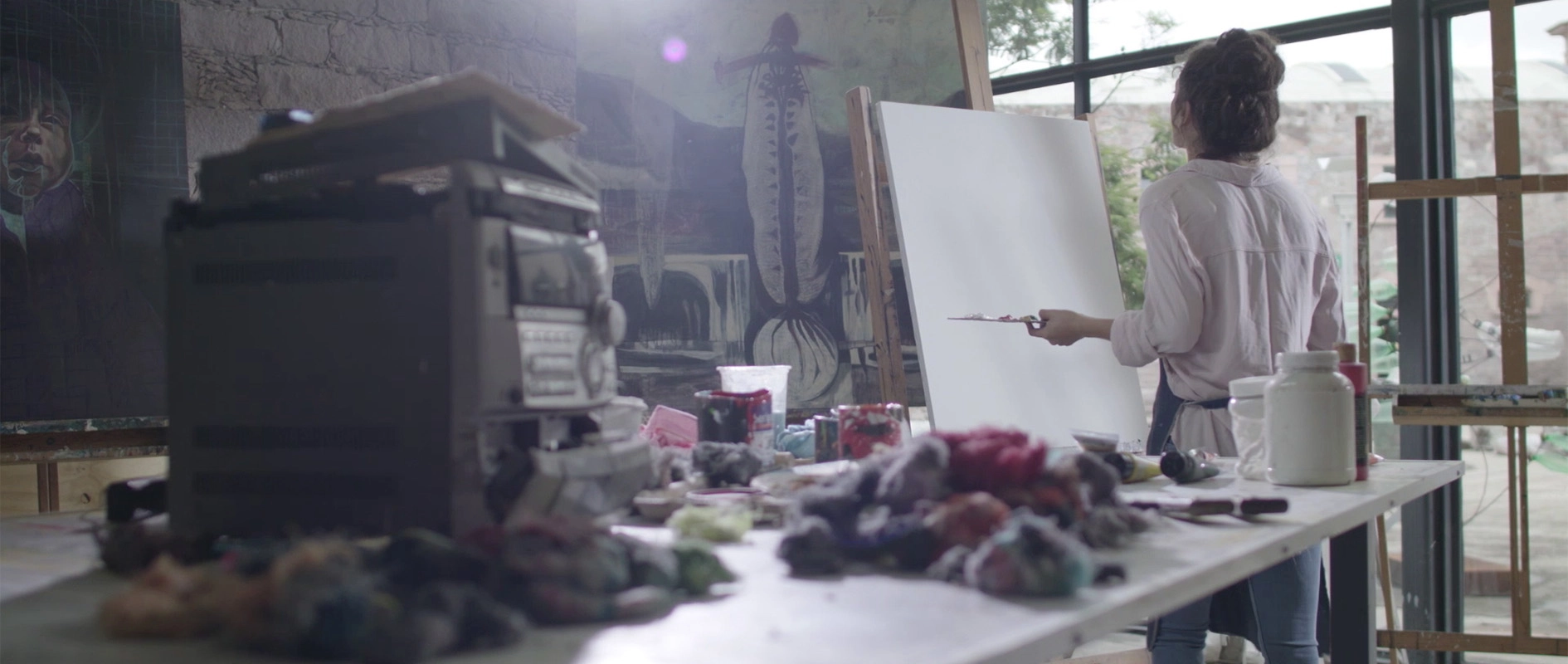
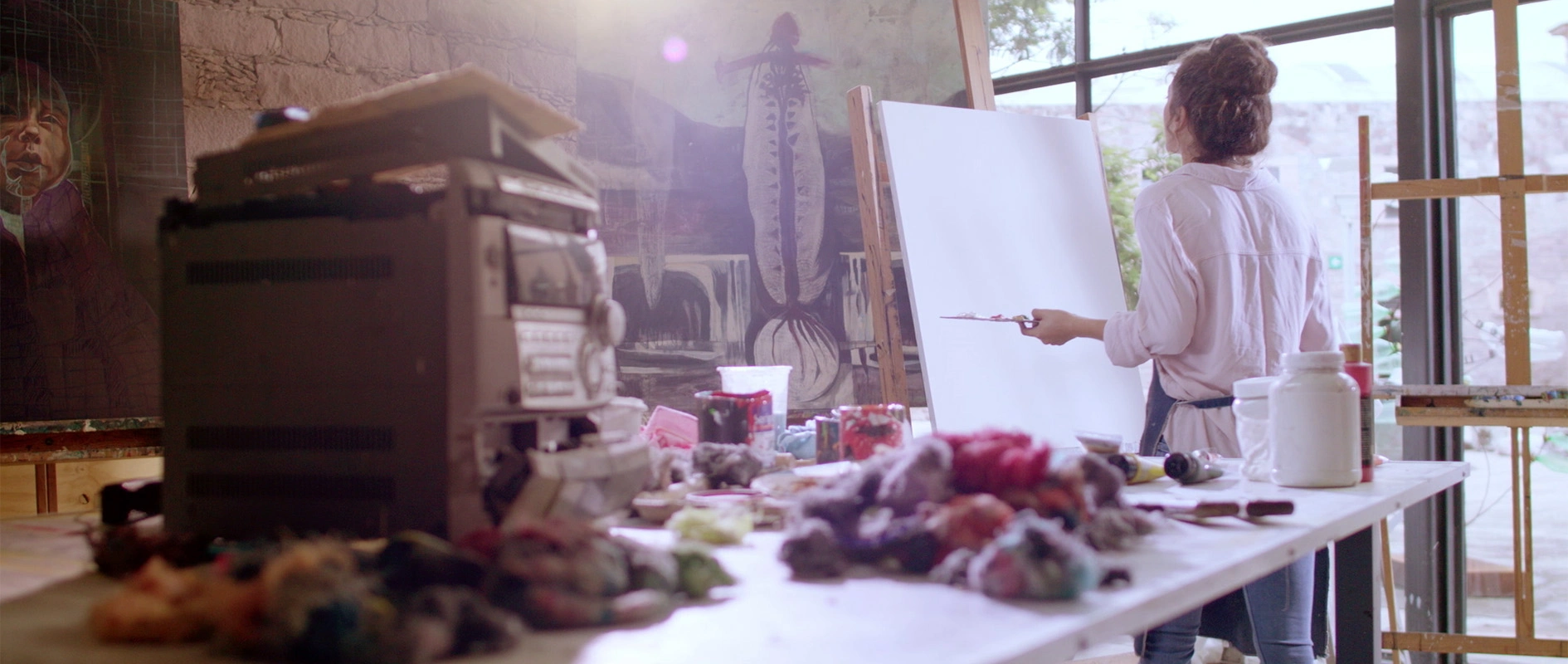
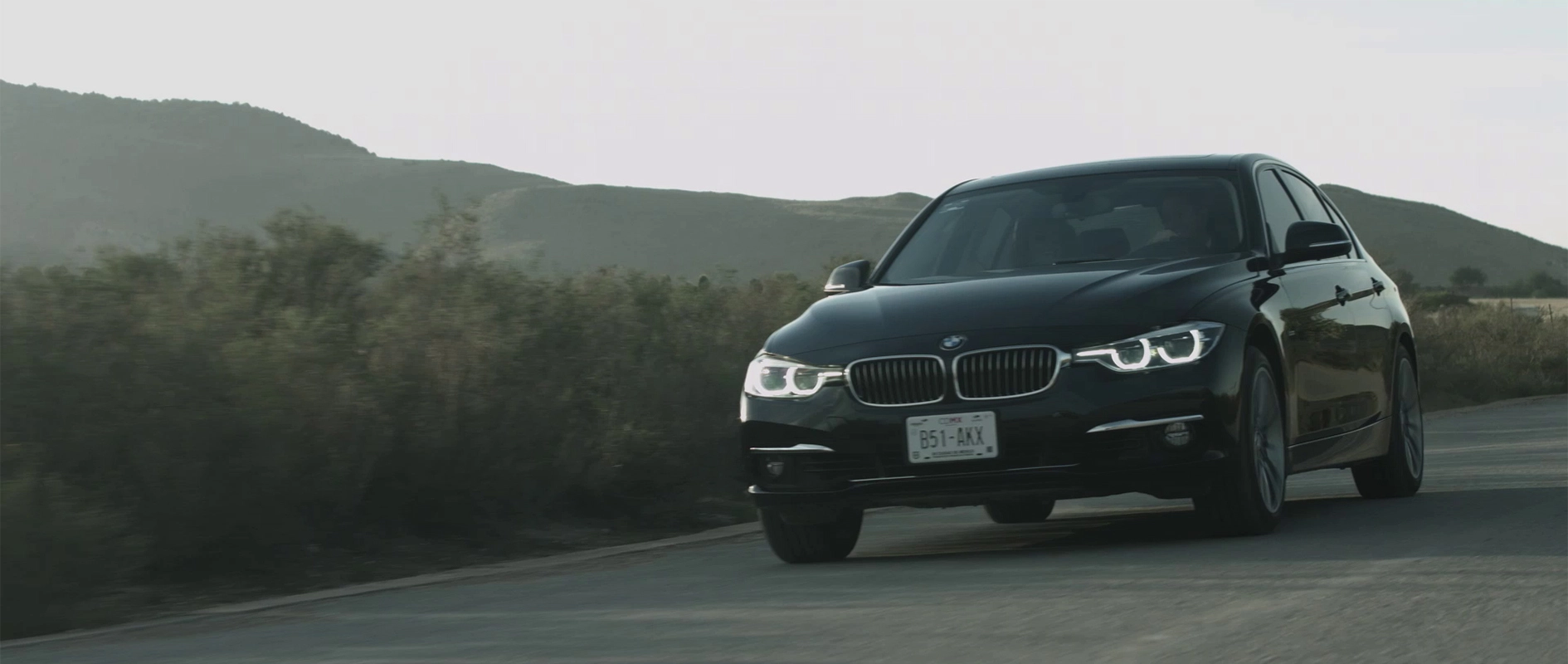
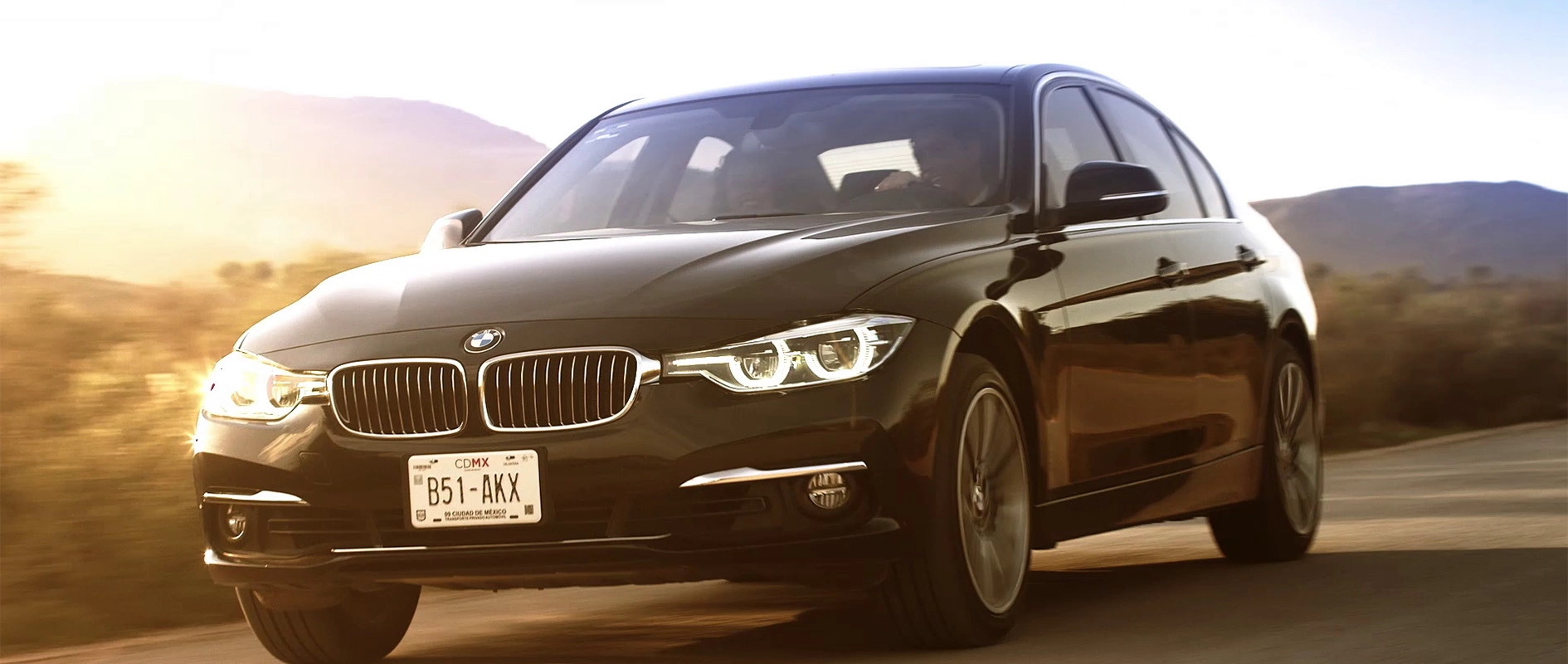
You can see the impact the color correction process has on the final image or film by looking at the following before-and-after comparisons.