
"Dirty shoes in my Audi? Not on my watch..." This line kicked off the Digital Production article in the first issue of this year, created in partnership with SIGMA, which takes a closer look at the production of our commercial "Happy New Owners" in collaboration with Audi Gebrauchtwagen :plus and FC Bayern Munich players Jérôme Boateng, Manuel Neuer, Robert Lewandowski and Joshua Kimmich .
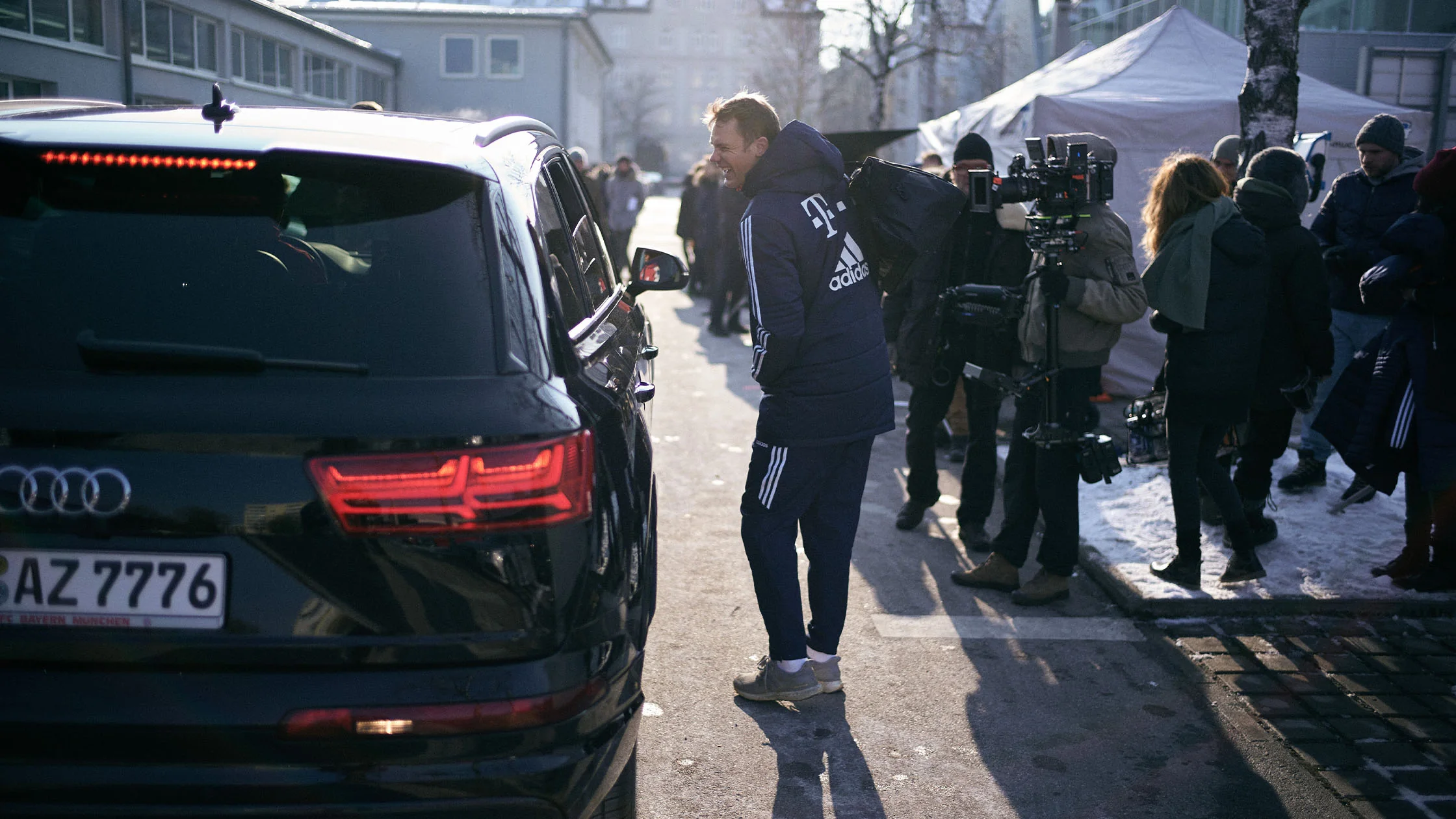
For us, this shoot an absolute highlight of 2018, as we had to shoot a total of two spots in just 120 minutes. This naturally raised the question: How can we capture all the shots we need for a beautiful final edit within such a short shooting time?
Razor-sharp shots of Bavarian celebrities
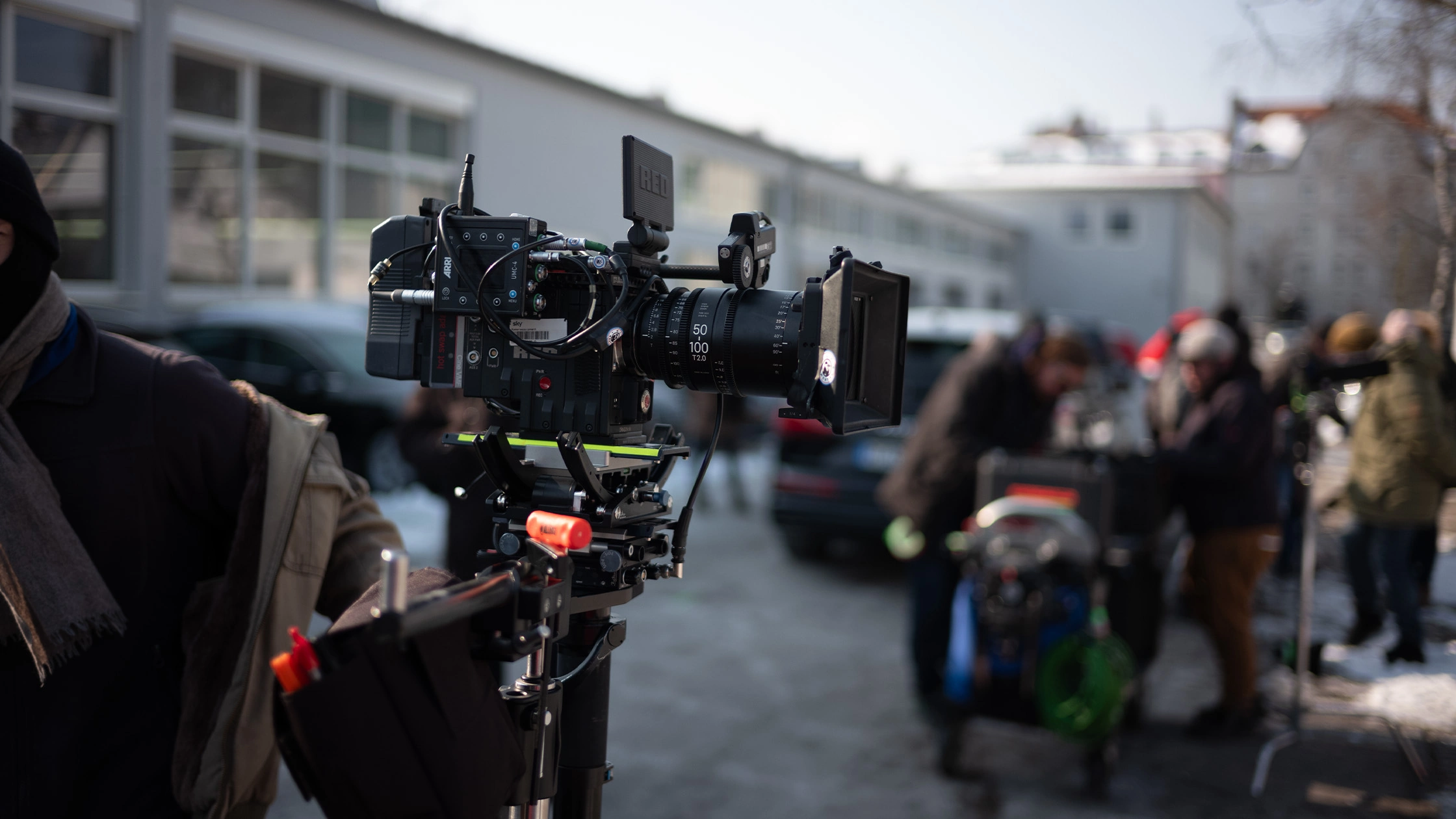
Using the right lenses plays a crucial role in our productions, such as corporate films and product videos, and often makes the decisive difference in terms of the final look. For this reason, and to ensure we could quickly change focal lengths without having to swap lenses, we chose the two SIGMA Cine Zoom lenses (18-35mm / 50-100mm T2.0). This offered two advantages: firstly, it saved a significant amount of time, and secondly, the Steadicam we were using didn't need to be constantly rebalanced. The low weight and compact size of the Cine Zooms created the optimal conditions for our DOP and Steadicam operator Johannes Ziegler, without having to compromise on image quality.
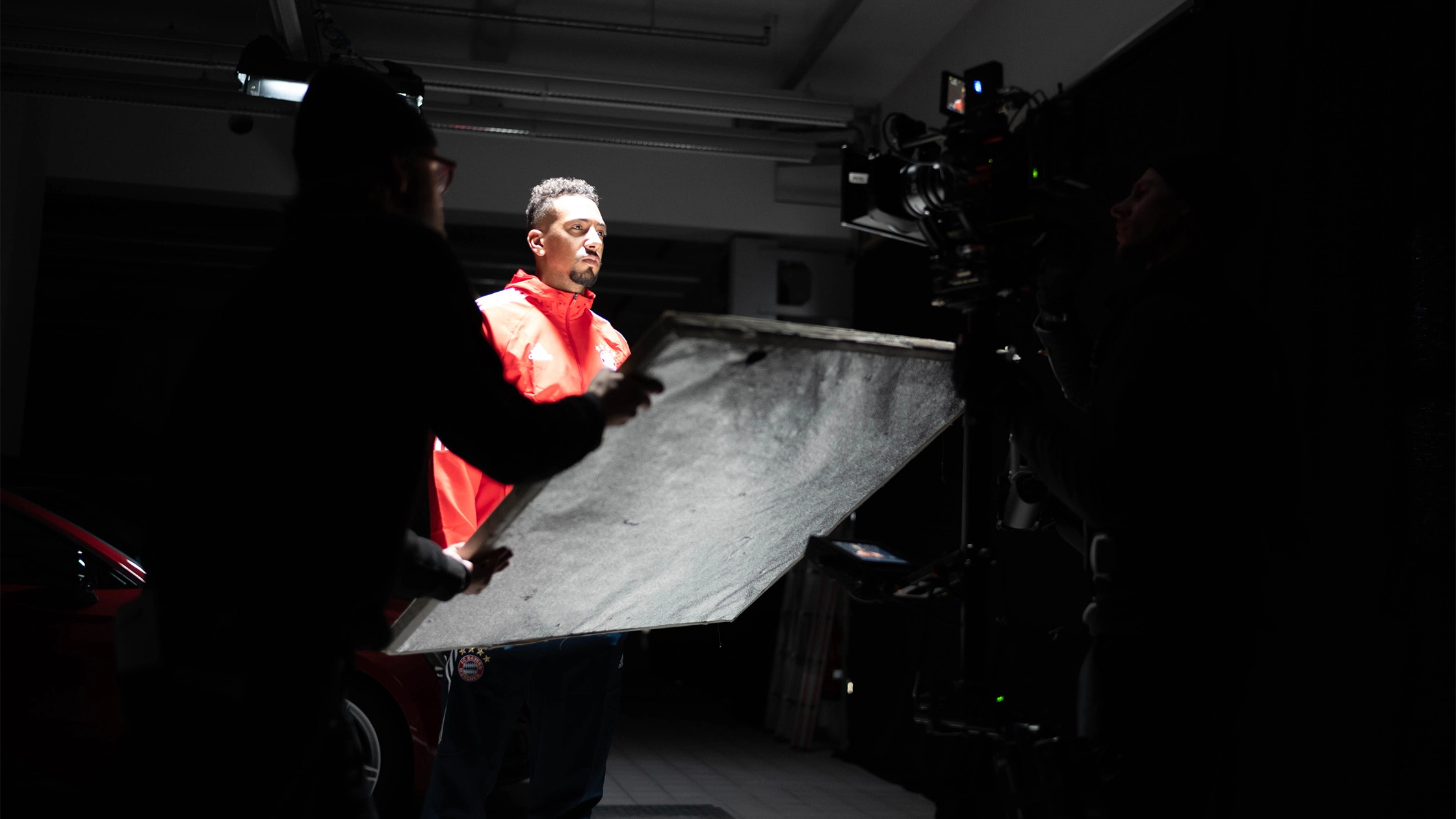
Film production company Panda Pictures from Munich and Ulm on the topic of digital production articles. A professional film crew during a shoot, using reflectors to achieve optimal lighting for the shots.
We didn't make things easy for ourselves during the shoot – our director Daniel Philipp wanted to get the absolute best out of the limited time. We aimed to create both low-key and high-key moods, shooting both indoors and outdoors. The two Cine Zooms performed flawlessly, especially in low-light conditions. Despite the dim lighting, they still captured enough light and delivered outstanding results. Thanks to their constant T2.0 aperture, we had two fast lenses that remained razor-sharp even at wide-open apertures, even at the edges, while providing us with a beautifully soft bokeh. Because of their natural color reproduction, we had an easy time during color grading in our in-house Post-production a wide range of possibilities to perfectly achieve the desired look.

Thanks to careful planning and organization, time-saving equipment, and excellent cooperation with Brands and Emotions as well as the great teamwork on set, both spots were finished even before the two-hour mark. SIGMA has truly succeeded with these new Cine Zooms. They deliver impressively sharp, high-contrast images and offer extremely good handling. Using both SIGMA Cine Zooms contributed significantly to the success of the shoot and impressed both the crew and the client.
Cinema-grade color grading
To ensure a smooth post-production workflow, Patrick Trageser was on-site throughout the entire shoot as a Digital Image Technician (DIT). Beyond reviewing footage and creating backups, the DIT's primary responsibility is to verify that the material meets the correct technical specifications. This includes, for example, the correct frame rate, codec, color space, and gamma value.
After the shoot, all footage captured on the RED Raven and RED Dragon moved into our post-production phase. The next task was to handle the editing, color grading, and sound design for the film. To carry out these steps efficiently and ensure a seamless workflow, we use DaVinci Resolve.
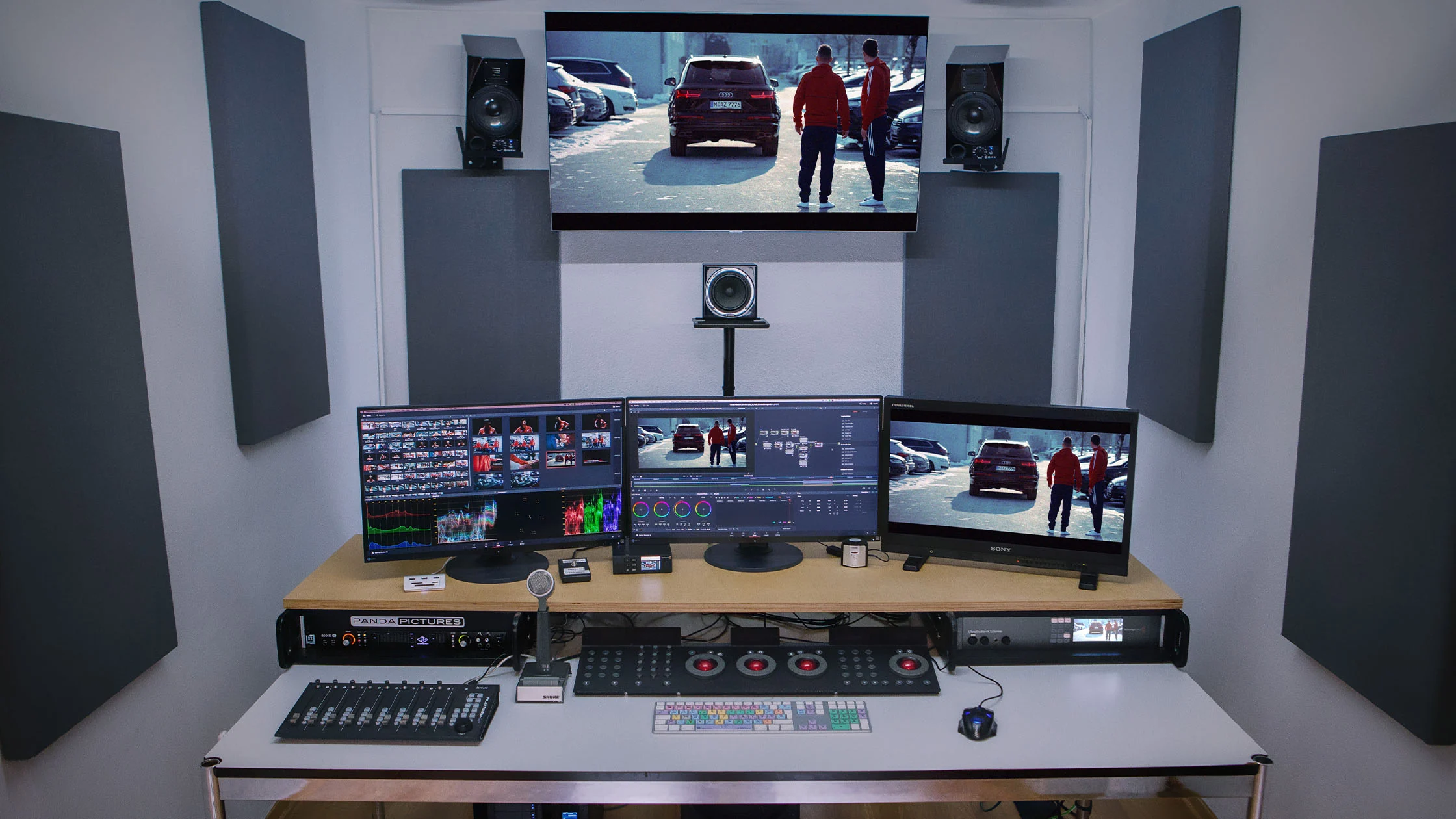
For color grading, it was a major advantage that the footage captured with the SIGMA Cine Zooms already had excellent depth. Our only goal was to give the material a cinematic look. Our colorist graded each scene individually to achieve this unique look created specifically for the production. As a final touch, we added a digital lens flare to the sky in the closing scene to enhance the "sunset feeling" already captured during the shoot.
Once the look was finalized, it was generated and saved as a LUT. This provides a reference for future projects that require the same cinematic quality as this spot. Finally, the image was cropped to a 2.35:1 letterbox format to further enhance the cinematic quality of the spot beyond just the color grading.
We are very pleased to be working with SIGMA being part of the first Digital Production issue of the year, which covers many more exciting topics throughout its pages. For those who couldn't pick up a copy at the newsstand, there is here the opportunity to read our great article.