Spatial video in film production.
Spatial video, also known as immersive or 3D video, is taking the film and media industry by storm. It promises a new dimension of storytelling where viewers don't just watch, but truly immerse themselves. But is this all just temporary hype, or does this technology offer real added value for film productions? In this blogpost, we take a closer look at the possibilities offered by spatial video and explore how it can be implemented, from simple smartphone shots to professional workflows. Particularly exciting: market leaders like Apple are driving development, while other manufacturers and tools are expanding access.
What is spatial video and how does it work?
Spatial video consists of three-dimensional, stereoscopic recordings that create depth and a sense of space to provide an immersive experience. Apple introduced this technology with the iPhone 15 Pro ,where videos are recorded in landscape orientation, achieving a resolution of 1920 x 1080 pixels per eye at 30 frames per second. The Apple Vision Pro headset serves as the primary playback device, where videos are displayed either in a window or as a fully immersive view that transports the viewer back to the moment. Unlike traditional 3D video, this is about a true sense of spatial presence that brings memories or stories to life. However, spatial video is not limited to Apple: other manufacturers like Meta, with the Quest 3 headset, allow such content to be viewed, often without additional software, as they directly support Apple's format. XR glasses like the VITURE One can also store and play spatial videos, making the technology more accessible. This broad support shows that spatial video is more than just an Apple-exclusive feature and could potentially enrich the entire VR/AR industry.
Professional workflows: From amateur to pro quality
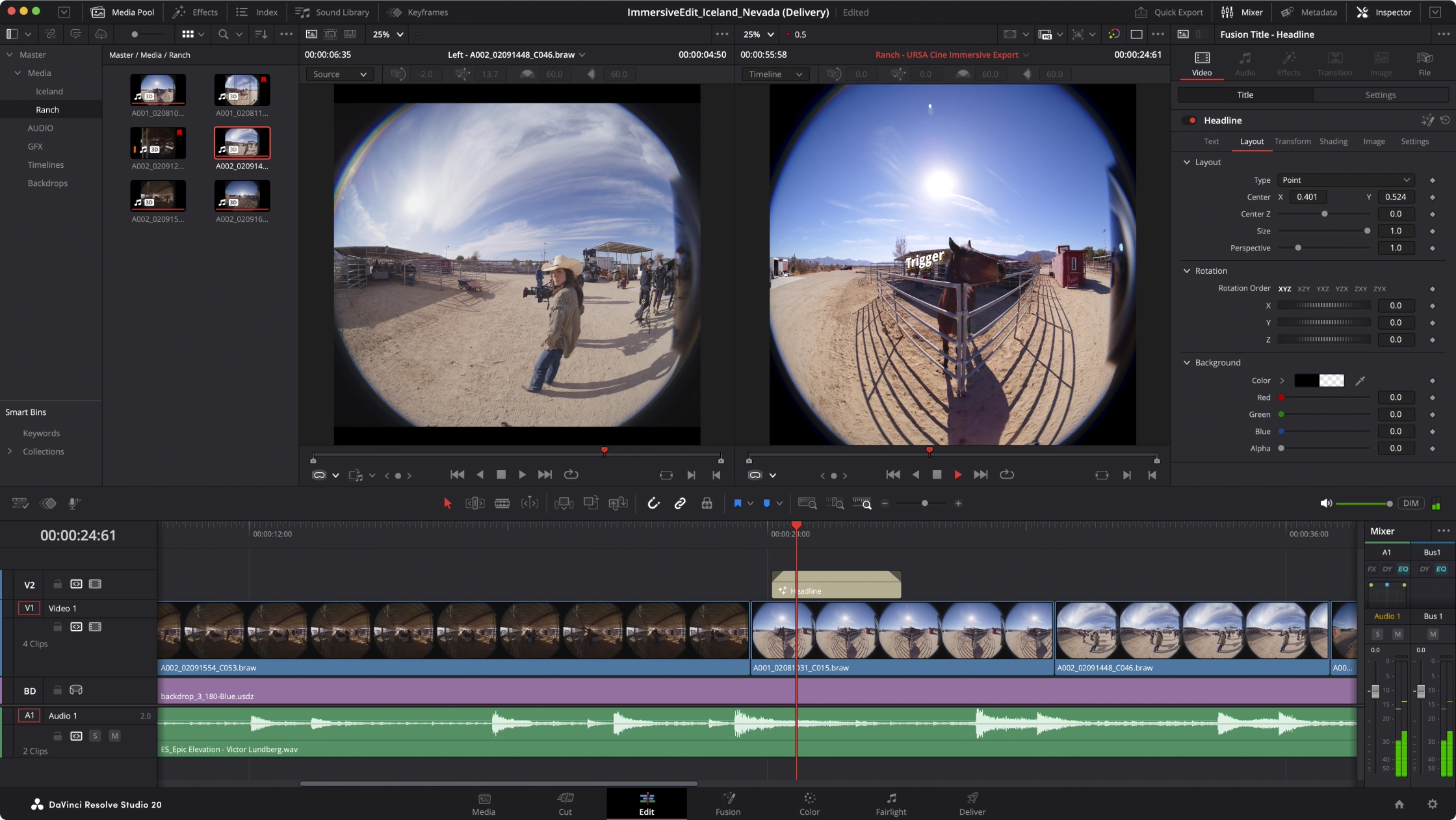
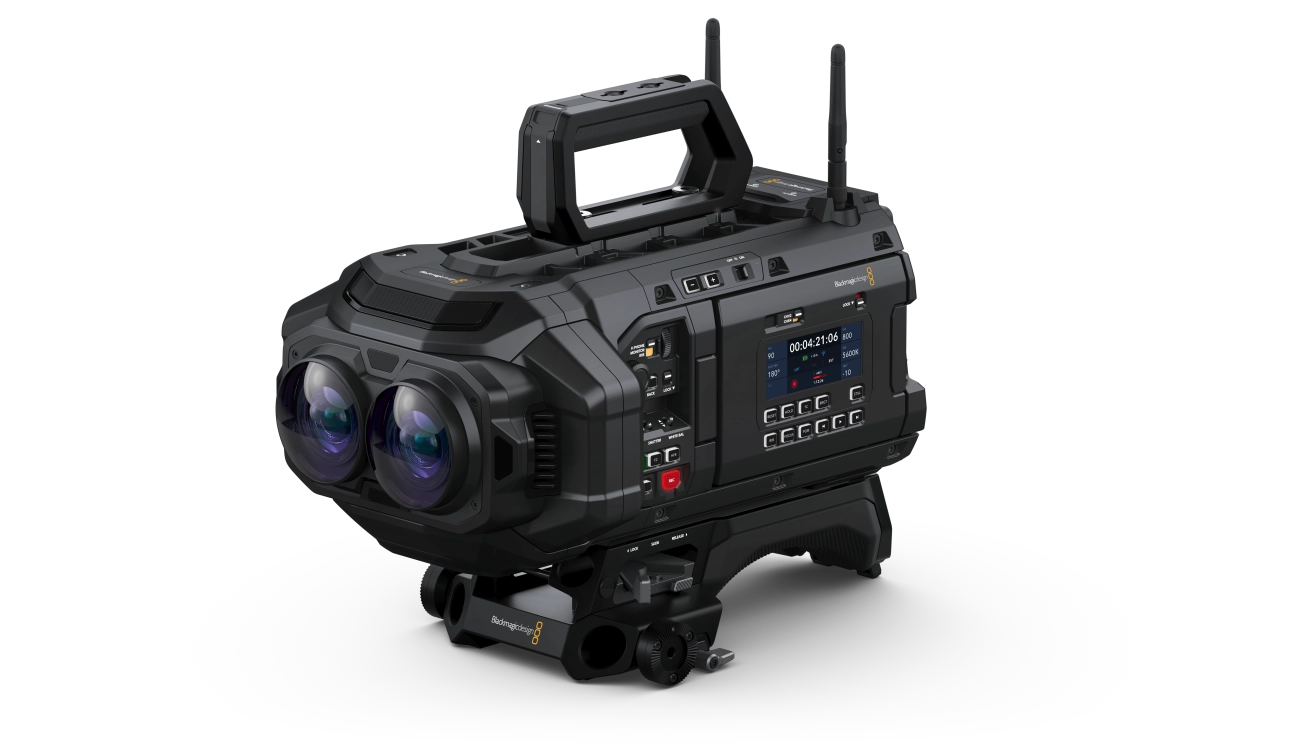
While iPhones offer an easy entry point—anyone with an iPhone 15 Pro can record spatial video and experience it directly on the Vision Pro—professional equipment achieves significantly higher quality and impact. This is where, for example, the Blackmagic URSA Cine Immersive camera comes into play. It is the first commercial camera developed specifically for Apple Immersive Video, offering an impressive resolution of 8160 x 7200 pixels per eye with 16 stops of dynamic range. This camera, available for around $30,000, allows film productions to create content in cinematic quality that shines on the Vision Pro or compatible devices like the Meta Quest 3. This is complemented by stereoscopic workflows in DaVinci Resolve, Blackmagic's powerful editing software, which recently received an update with version 20.1 : It now supports editing, grading, VFX, and spatial audio mixing for Apple Immersive Video, including direct previewing on the Vision Pro. This professional approach elevates spatial video from hype to real added value, as it enables more complex narratives and higher production standards that cannot be achieved with smartphone recordings alone.
Future outlook: Added value for the film industry
In summary, spatial video goes far beyond mere hype—it offers film productions the opportunity to engage viewers on a deeper emotional level. With devices like the Apple Vision Pro as a pioneer, supplemented by alternatives from Meta or VITURE, the technology is becoming more inclusive. Professional tools like the Blackmagic camera and DaVinci Resolve ensure that content is not only immersive but also technically superior for specific applications.
Depending on the concept, spatial videos offer the opportunity to provide the viewer with a unique experience, which will also be reflected in customer engagement and sales figures. There are many conceivable applications: Many industries can therefore benefit from spatial videos!
- In the real estate industry, a "digital online tour" becomes even more immersive and realistic.
- In the industrial sector, you have the opportunity to let customers dive in from the other side of the globe during a tour of your facilities.
- Events can be captured even more realistically.
- For automotive manufacturers, this creates the opportunity to provide customers with initial realistic insights into their vehicles.
We are excited to see what further technical developments will emerge in this area. As a film production company we continue to monitor this innovation with interest to see how it can be meaningfully integrated into our clients' projects. Feel free to reach out if this topic interests you and you would like to know what kind of concept we could envision for you.